

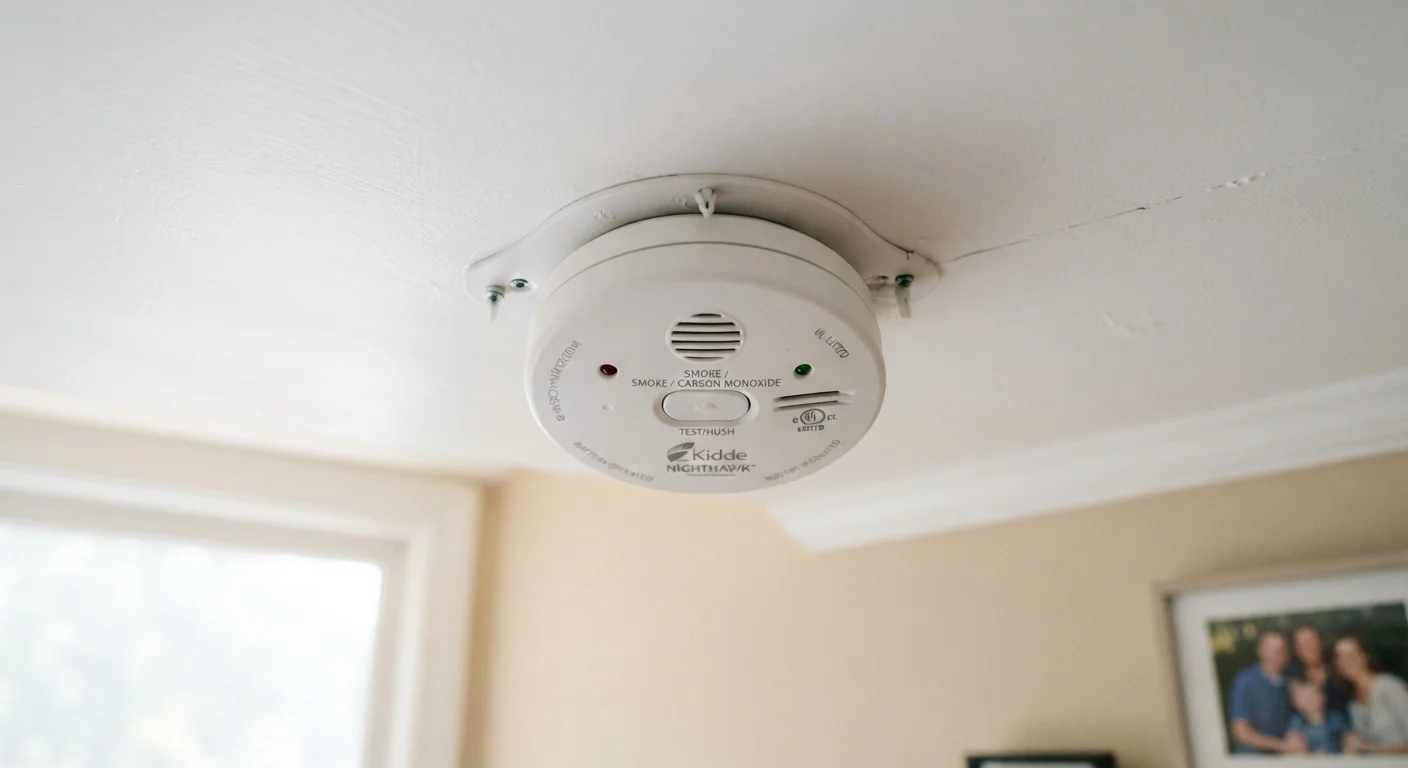
Key Takeaways
- Test every smoke and carbon monoxide detector in your home at least once a month.
- Replace smoke detectors every 10 years and carbon monoxide detectors every 5-7 years.
- Install detectors on every level of your home, including inside and outside sleeping areas.
- Dead or missing batteries remain the leading reason detectors fail during emergencies.
- Interconnected detectors - wired or wireless - provide the earliest whole-home warning.
Why Routine Detector Maintenance Is Non-Negotiable
Smoke and carbon monoxide (CO) detectors are among the most cost-effective safety investments a homeowner can make - but only when they actually work. The U.S. Fire Administration consistently reports that roughly three out of five home fire deaths occur in properties with no working smoke alarms. Dead batteries, expired sensors, and poor placement are the most common culprits behind detector failures.
Carbon monoxide is especially dangerous because it is colorless and odorless, giving residents no warning without a functioning detector. Maintaining both types of detectors on a reliable schedule is one of the most straightforward, affordable safety tasks any homeowner can perform.
Correct Placement for Maximum Coverage
Where you install detectors matters as much as having them at all. Follow these location guidelines, which align with recommendations from the National Fire Protection Association (NFPA):
- Smoke detectors: Install on every level of the home (including the basement), inside each bedroom, and in hallways outside sleeping areas. Mount them on the ceiling or high on a wall - smoke rises. Keep them at least 10 feet from cooking appliances to reduce false alarms.
- Carbon monoxide detectors: Place on every level of the home and near sleeping areas so alarms can wake occupants. CO is roughly the same density as air, so mid-wall placement (about 5 feet high) is acceptable, though ceiling mounting also works.
- Combination units: Combination smoke/CO detectors follow smoke detector placement rules - on the ceiling or high on walls - since smoke detection requirements are more placement-sensitive.
Combination Detectors: Convenient but Check Expiration Separately
Combination smoke/CO detectors are practical because they reduce the number of units to install and maintain. However, the smoke sensor and the CO sensor within the same unit may have different service-life ratings - typically 10 years for smoke and 5-7 years for CO. Check the manufacturer's documentation for your specific model, since the entire unit may need replacement sooner than the smoke sensor alone would require.
Avoid placing any detector in a garage (combustion gases can cause false alarms), directly next to a bathroom (steam triggers nuisance trips), or near a supply air vent that can dilute smoke before it reaches the sensor.
Testing and Battery Replacement Schedule
A detector you never test is a detector you can't trust. Build these habits into your household routine:
Most detectors have a test button that, when held for a few seconds, activates the alarm circuit and verifies the horn works. This does not test the actual smoke or CO sensor chemistry - it only confirms the electronics and alarm are functional. That is exactly what monthly testing is designed to catch: dead batteries and failed electronics.
Replace batteries at least once a year. Many homeowners link this task to a twice-yearly clock change or a calendar date that's easy to remember. Lithium batteries, which some newer detectors use, can last up to 10 years - these units are often sealed and replaced as a whole unit at end of life.
When to Replace Detectors Entirely
Even detectors that pass monthly button tests have a finite sensor lifespan. The sensing elements inside gradually degrade, meaning an old detector may no longer respond reliably to real smoke or CO - regardless of whether the alarm sounds when you press the test button.
- Smoke detectors: Replace every 10 years from the manufacture date (printed on the back label).
- Carbon monoxide detectors: Replace every 5-7 years, depending on the manufacturer's guidance printed on the unit.
- After any alarm event: CO detectors that have activated during a real CO exposure may be compromised and should be replaced per the manufacturer's instructions.
Check the manufacture date - not the purchase or installation date - when determining replacement timing. If the label is missing or illegible, replace the unit immediately.
This article provides general home safety information for educational purposes. Always verify local building codes and fire safety requirements with your local fire marshal or authority having jurisdiction, as regulations may vary by location.