

Key Takeaways
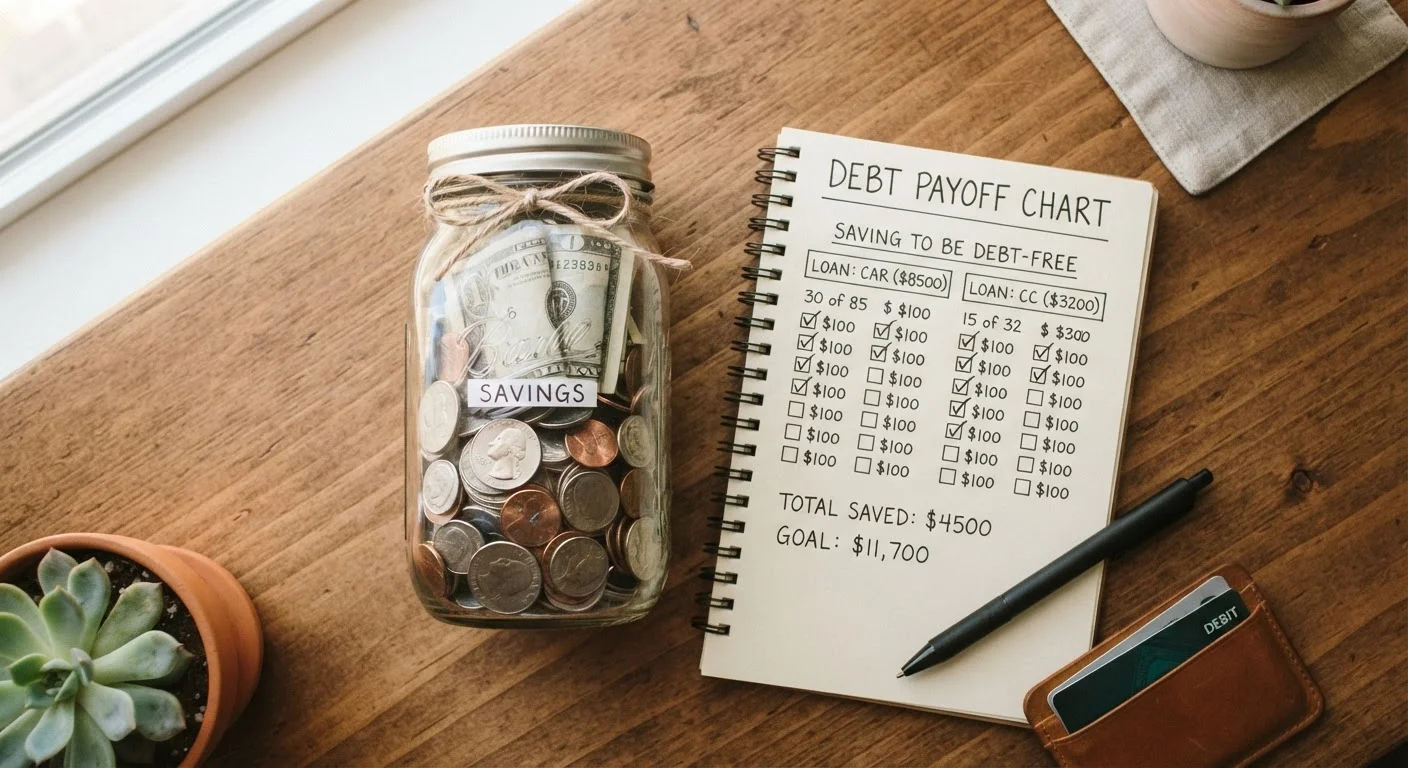
- Snowflaking directs small, unexpected cash amounts to debt principal between regular payment cycles.
- Even modest extra payments reduce your interest-accruing balance, cutting overall interest paid.
- The method works alongside - not instead of - structured strategies like the debt avalanche or snowball.
- Consistency of habit matters more than the size of any single snowflake payment.
- Any money that would otherwise be spent casually can be redirected without disrupting your budget.
Snowflaking
Snowflaking is a debt repayment technique where you apply small, irregular sums of money - such as cash rebates, survey rewards, side-gig earnings, or unexpected refunds - directly to your debt as soon as they arrive, rather than waiting for your next scheduled payment. The idea is that each tiny payment, like a snowflake, may seem insignificant alone but accumulates into meaningful progress over time. Because these extra payments go directly toward principal, they reduce the interest that accrues on your balance.
Every extra dollar applied to principal reduces the outstanding balance on which interest is calculated, effectively lowering your total interest cost even when individual contributions are small.
Where the Idea Comes From
The term "snowflaking" emerged from personal finance communities as a grassroots complement to more formal debt repayment frameworks. While strategies like the debt avalanche and debt snowball give you a structured order for tackling balances, snowflaking addresses a different problem: what do you do with the small, irregular sums that appear between paychecks?
The core insight is simple - minimum payments keep you in debt far longer than necessary, as explained in our article on how minimum payments extend your debt timeline. Snowflaking is one response to that reality: instead of letting small amounts disappear into day-to-day spending, you capture them and route them directly to your balance.
Unlike lump-sum windfalls such as a tax refund, snowflake amounts are typically under $50 and come from routine life - rebates, loyalty points converted to cash, gig work, or rounding up a payment. Their power comes not from size but from frequency and habit.
How to Put Snowflaking Into Practice
Getting started requires three simple habits:
- Identify your sources. Think through where small amounts of money appear in your life - credit card cash-back, app-based survey income, reselling unused items, freelance tasks, or even change left at the end of a grocery run. Make a short list so you're primed to notice them.
- Set a transfer rule. Decide in advance that any amount above a threshold - say, $5 - gets sent to your debt within 48 hours of receipt. The immediacy prevents the money from being absorbed into everyday spending.
- Track your snowflakes. A simple notes app or paper tally sheet lets you see the cumulative effect, which reinforces the behavior. Watching $8, $15, and $22 add up to $45 in a single week makes the habit feel worthwhile.
You can layer snowflaking on top of whichever primary strategy you already use. If you follow a structured paycheck allocation system - discussed in our guide on splitting your paycheck strategically - snowflake payments simply become an additional line of attack that doesn't require adjusting your budget.
Confirm Payments Go to Principal
When making an extra payment online, confirm with your lender that the additional amount is being applied to principal, not to your next scheduled payment. Some servicers default to advancing the due date rather than reducing the balance, which does not save you interest. A quick call or secure message to your lender can clarify - and correct - the default setting.
When making an extra payment online, confirm with your lender that the additional amount is being applied to principal, not to your next scheduled payment. Some servicers default to advancing the due date rather than reducing the balance, which does not save you interest.
The Real Impact of Small Payments
20%+
Average APR on US credit cards
Federal Reserve data consistently shows average credit card interest rates above 20%, meaning every extra dollar applied to principal delivers meaningful interest savings.
$5,700+
Average American credit card balance
According to Federal Reserve consumer credit data, the typical US cardholder carries a balance that makes incremental principal reductions particularly valuable over time.
Years
Added to payoff timeline by minimum payments only
Consumer finance analyses routinely show that paying only the minimum on a mid-size credit card balance can extend repayment by many years compared to consistent extra payments.
It's easy to dismiss a $10 extra payment as insignificant. But on a credit card charging 20% APR, every dollar of principal you eliminate stops generating about 20 cents of interest per year - and that effect compounds. The more frequently you reduce principal, the less interest accrues before your next statement closes.
Snowflaking also addresses a common debt payoff misconception: that you need a large lump sum to make a real dent. As our article on debt payoff myths explores, waiting for a "big moment" to pay extra often means months pass with no additional progress. Consistent small actions outperform occasional large ones that never quite materialize.
Think of snowflaking as complementary to broader smart spending habits - the discipline of redirecting idle money rather than letting it vanish into impulse purchases is the same muscle used in both practices.
This article is for general informational purposes only and does not constitute personalized financial or legal advice. Consult a qualified financial professional for guidance specific to your situation.