
Planning Travel Around Peak Season: The Real Pros and Cons of Going When Everyone Else Does

Key Takeaways
- Peak season delivers predictable weather, fully open attractions, and a lively atmosphere most travelers expect.
- Flights, hotels, and tours cost measurably more during peak periods - sometimes 30-50% above shoulder-season rates.
- Crowds affect more than comfort - they slow transportation, lengthen queues, and reduce spontaneity.
- Booking well in advance is essential for peak travel; last-minute options are scarce and expensive.
- For some destinations and trip types, peak season is still the most practical or enjoyable choice.
Reliable, favorable weather for the destination
Peak season typically aligns with a destination's best weather window, reducing the risk of itinerary disruption from rain, cold, or off-season conditions. For beach and outdoor destinations especially, this predictability has real value.
All attractions and services fully operational
Museums, tours, restaurants, and transportation links are fully staffed and open during peak. Visiting in the off-season can mean closures, reduced hours, or limited options that weren't advertised when you booked.
Lively atmosphere and social energy
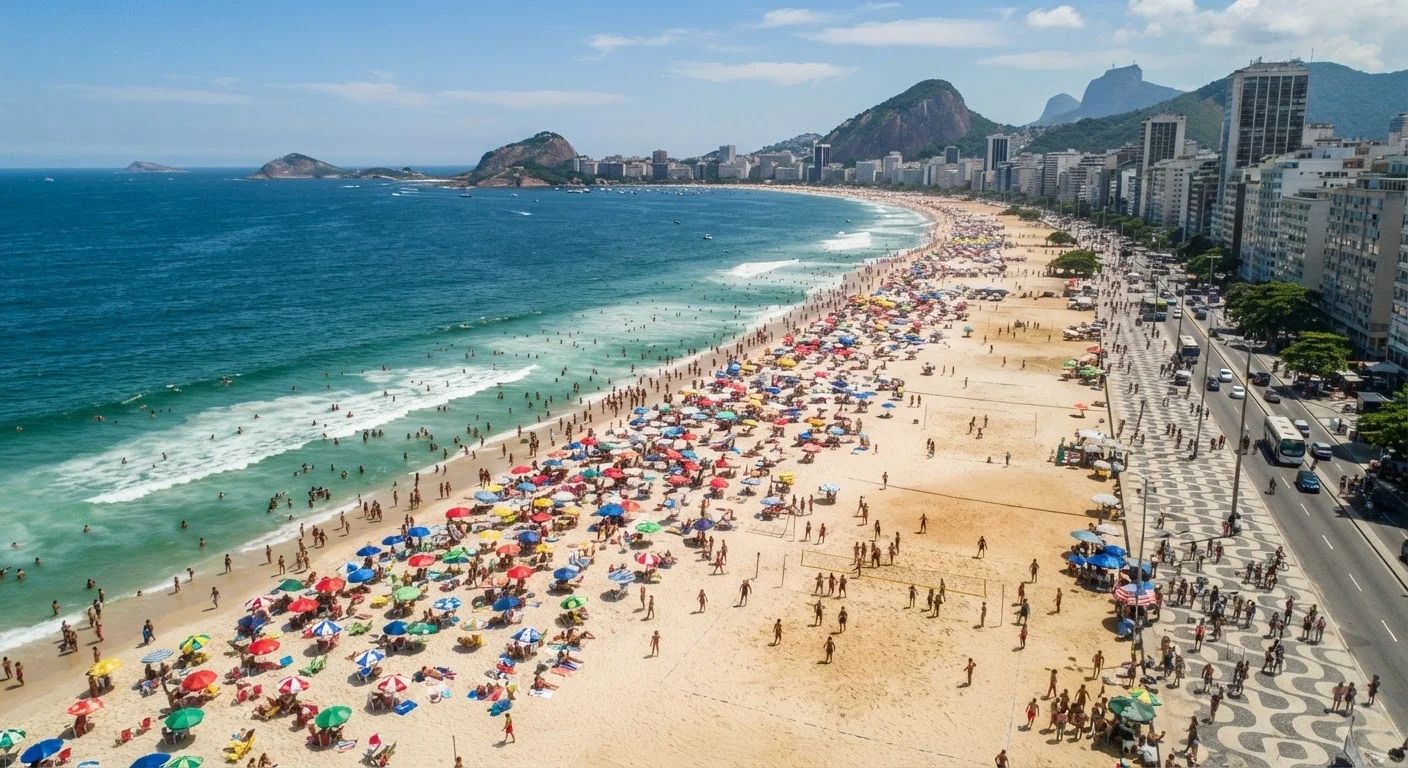
Popular destinations during peak season offer a vibrancy - street markets, evening events, full beaches - that genuinely adds to the experience for many travelers, particularly those visiting for the first time.
More transportation and tour options available
Increased demand during peak season drives more flight routes, more tour departures, and more local transit options. Remote or less-connected destinations are often most accessible during these windows.
Easier to coordinate group or family travel
When multiple people need to align schedules - especially families with school calendars - peak season is often the only window that works, making it logistically necessary rather than merely convenient.
Significantly higher costs across all categories
Flights, hotels, car rentals, and guided tours all price up during peak demand. The premium can range from modest to substantial depending on the destination, and costs stack across every line item in your budget.
Crowds at every stage of the trip
Popular sites, public transport, airports, and restaurants operate at or beyond capacity. Queue times at major attractions can consume hours of what should be leisure time, particularly at well-known landmarks.
Advance booking is mandatory, not optional
Desirable accommodations and popular tours book out weeks or months ahead. Last-minute travelers during peak face limited availability at inflated prices or end up with inferior alternatives.
Less flexibility and spontaneity on the ground
When everything needs to be reserved in advance, the ability to change plans, linger longer, or pivot to a different activity diminishes. Peak travel rewards tight planning, which suits some travelers and frustrates others.
Environmental and experiential degradation at popular sites
Overcrowding affects the quality of the experience itself - worn trails, degraded natural areas, and cultural sites that feel transactional rather than meaningful. Some popular destinations now use timed-entry systems specifically to manage peak volumes.
Our Verdict
Peak season travel is not inherently a mistake - it's a trade-off. You pay more and tolerate more people in exchange for reliable conditions, full access, and the social energy that comes with a destination at its busiest. Whether that trade is worth it depends entirely on your priorities, flexibility, and budget.
Peak season makes the most sense for travelers with fixed vacation windows (such as school-year families), those visiting destinations where off-season weather makes travel impractical, or anyone for whom missing key attractions or events would undermine the whole trip.
What Peak Season Actually Means
Peak season refers to the period when a destination sees its highest volume of visitors - typically driven by favorable weather, school holidays, or major cultural events. For most US beach destinations, that's June through August. For ski resorts, it's December through February. European city breaks tend to peak in July and August. The definition shifts by destination, so it's worth checking regional patterns before assuming summer is always peak.
Understanding when peak season falls helps you make an informed choice rather than defaulting to it. If you're still in the research phase, evaluating seasonality before booking can save you from an expensive mismatch between expectations and reality.
The Real Advantages of Traveling at Peak
Peak season gets a bad reputation from budget-focused travelers, but there are legitimate reasons so many people choose it.
Reliable, favorable weather for the destination
Peak season typically aligns with a destination's best weather window, reducing the risk of itinerary disruption from rain, cold, or off-season conditions. For beach and outdoor destinations especially, this predictability has real value.
All attractions and services fully operational
Museums, tours, restaurants, and transportation links are fully staffed and open during peak. Visiting in the off-season can mean closures, reduced hours, or limited options that weren't advertised when you booked.
Lively atmosphere and social energy
Popular destinations during peak season offer a vibrancy - street markets, evening events, full beaches - that genuinely adds to the experience for many travelers, particularly those visiting for the first time.
More transportation and tour options available
Increased demand during peak season drives more flight routes, more tour departures, and more local transit options. Remote or less-connected destinations are often most accessible during these windows.
Easier to coordinate group or family travel
When multiple people need to align schedules - especially families with school calendars - peak season is often the only window that works, making it logistically necessary rather than merely convenient.
The social atmosphere during peak periods is also worth noting. Destinations are designed to absorb high visitor volumes during these windows - more tour options, more dining hours, more staff. For first-time visitors to a place like a national park or a foreign city, this infrastructure can reduce friction considerably.
The Real Costs - Beyond Just the Price Tag
The financial hit of peak travel is well documented, but the non-monetary costs are just as significant and often underestimated.
Significantly higher costs across all categories
Flights, hotels, car rentals, and guided tours all price up during peak demand. The premium can range from modest to substantial depending on the destination, and costs stack across every line item in your budget.
Crowds at every stage of the trip
Popular sites, public transport, airports, and restaurants operate at or beyond capacity. Queue times at major attractions can consume hours of what should be leisure time, particularly at well-known landmarks.
Advance booking is mandatory, not optional
Desirable accommodations and popular tours book out weeks or months ahead. Last-minute travelers during peak face limited availability at inflated prices or end up with inferior alternatives.
Less flexibility and spontaneity on the ground
When everything needs to be reserved in advance, the ability to change plans, linger longer, or pivot to a different activity diminishes. Peak travel rewards tight planning, which suits some travelers and frustrates others.
Environmental and experiential degradation at popular sites
Overcrowding affects the quality of the experience itself - worn trails, degraded natural areas, and cultural sites that feel transactional rather than meaningful. Some popular destinations now use timed-entry systems specifically to manage peak volumes.
Budget impact deserves specific attention. Flights and accommodations frequently spike during peak periods, and those increases compound quickly across a multi-night trip. A realistic travel budget needs to account for peak premiums across every category - not just the flight. Many travelers budget for transport and lodging but underestimate how peak pricing also affects tours, car rentals, and even restaurant wait times that cost you leisure hours.
30-50%
Typical peak-season price premium for flights and hotels
Industry pricing analyses consistently show peak-period surcharges of this magnitude at popular leisure destinations, though exact figures vary widely by route and market.
2-3 hrs
Average wait time at top attractions during peak
Major attractions such as heavily visited national parks and European landmarks commonly report wait times of two hours or more for entry during peak summer months.
When Peak Season Is Still the Right Call
For families with school-age children, the choice is often not a choice at all - summer and holiday windows are the only viable travel windows. In those cases, the strategic question shifts from when to travel to how to travel smarter within peak constraints.
Booking as early as possible - ideally three to six months out for popular destinations - is the single highest-leverage action for peak travelers. Flexibility on specific dates within the peak window (mid-week departures, avoiding major holiday weekends) can yield meaningful savings without requiring a full season change. Travel rewards programs can also offset peak premiums meaningfully if you've been accumulating points - peak season redemptions sometimes offer better value than cash bookings.
The structure vs. spontaneity trade-off also matters more during peak. Showing up without reservations during peak season at a popular destination is a reliable way to overpay or miss out entirely. A tighter itinerary is usually an asset, not a constraint, when demand is high.
Peak Season Varies by Destination
Peak season is not universal - it shifts significantly by geography and destination type. A Caribbean island's peak is winter (when US travelers escape cold weather), while a European mountain resort peaks in both summer and winter for different activities. Always research the specific destination's seasonal calendar rather than assuming your travel dates fall outside peak. Official tourism boards and government travel advisories are reliable sources for this information.
How Peak Compares to the Alternatives
If peak season's costs concern you, shoulder season - the weeks just before or after peak - often delivers 80% of the experience at significantly lower cost. Shoulder season travel deserves serious consideration for any destination where off-peak weather is still acceptable. Many experienced travelers consider it the practical optimum: real savings, thinner crowds, and most attractions still fully operational.
Off-season travel goes further in both directions - lowest prices and lowest crowds, but also genuine trade-offs in weather, hours of operation, and access. Whether that compromise fits your trip depends heavily on your destination and what you're going for. For a deeper look at matching trip format to your actual life constraints, see how trip length affects planning.
The core principle: peak season is not a default. It's a deliberate choice with real trade-offs. Going in with clear expectations on both sides makes the experience far more manageable - and helps you decide whether the premium is genuinely worth it for your specific trip.