

Key Takeaways
- GAP insurance covers the difference between your loan balance and your car's actual cash value after a total loss.
- New cars depreciate quickly - sometimes 20% or more in the first year - making GAP coverage most relevant early in a loan.
- GAP insurance is most valuable when you financed a large portion of the vehicle's purchase price with a long loan term.
- If you made a substantial down payment or your loan is nearly paid off, GAP coverage may no longer be necessary.
- GAP insurance can be purchased through lenders, dealerships, or auto insurers - and prices vary significantly.
Protects you from paying for a totaled car
Without GAP coverage, a total loss can leave you responsible for thousands of dollars on a loan for a vehicle you can no longer drive. GAP eliminates that liability.
Relatively low cost when bought through insurers
When added to an existing comprehensive auto policy, GAP coverage often costs between $20 and $40 per year, making it affordable protection for high-risk early loan periods.
Critical buffer during steep depreciation window
New vehicles can lose 15-25% of their value in the first year alone. GAP coverage is most protective during this early period when the loan-to-value gap is widest.
Required by some lenders and leases
Some financing agreements and nearly all lease contracts require GAP coverage, meaning having it keeps you in compliance with your contract terms.
Peace of mind during a stressful claim
After a total loss, dealing with a remaining loan balance adds financial stress to an already difficult situation. GAP removes that variable entirely.
Unnecessary once loan approaches vehicle's value
As your balance shrinks and your car's depreciation slows, the potential gap narrows. Continuing to pay for GAP at that point offers little real protection.
Dealership pricing is often inflated
GAP sold at the F&I (finance and insurance) office can cost $400-$700 or more, and when financed into the loan, you pay interest on it too - far exceeding what an insurer would charge.
Does not cover all loan-related charges
Deductibles, missed payments, extended warranties, and other add-ons rolled into the loan balance are generally excluded from GAP coverage, leaving some residual exposure.
Redundant if you have a large equity cushion
Drivers who made a significant down payment - typically 20% or more - may never experience a negative equity situation, making the coverage unnecessary from day one.
No payout if the car isn't totaled
GAP insurance applies only to total loss events. It provides no benefit for partial damage repairs, mechanical failures, or other common claims.
Our Verdict
GAP insurance is a genuinely useful financial safeguard for drivers who financed most of a new vehicle's purchase price over a long loan term, particularly in the first two to three years of ownership when depreciation is steepest. However, it becomes unnecessary - and a wasted expense - once your loan balance falls close to or below your vehicle's market value. Like any financial product, its value depends entirely on your personal situation rather than being a universal must-have.
Best for buyers who put little or no money down, financed a new vehicle over 60 months or longer, or rolled negative equity from a previous loan into their current one.
What GAP Insurance Actually Is
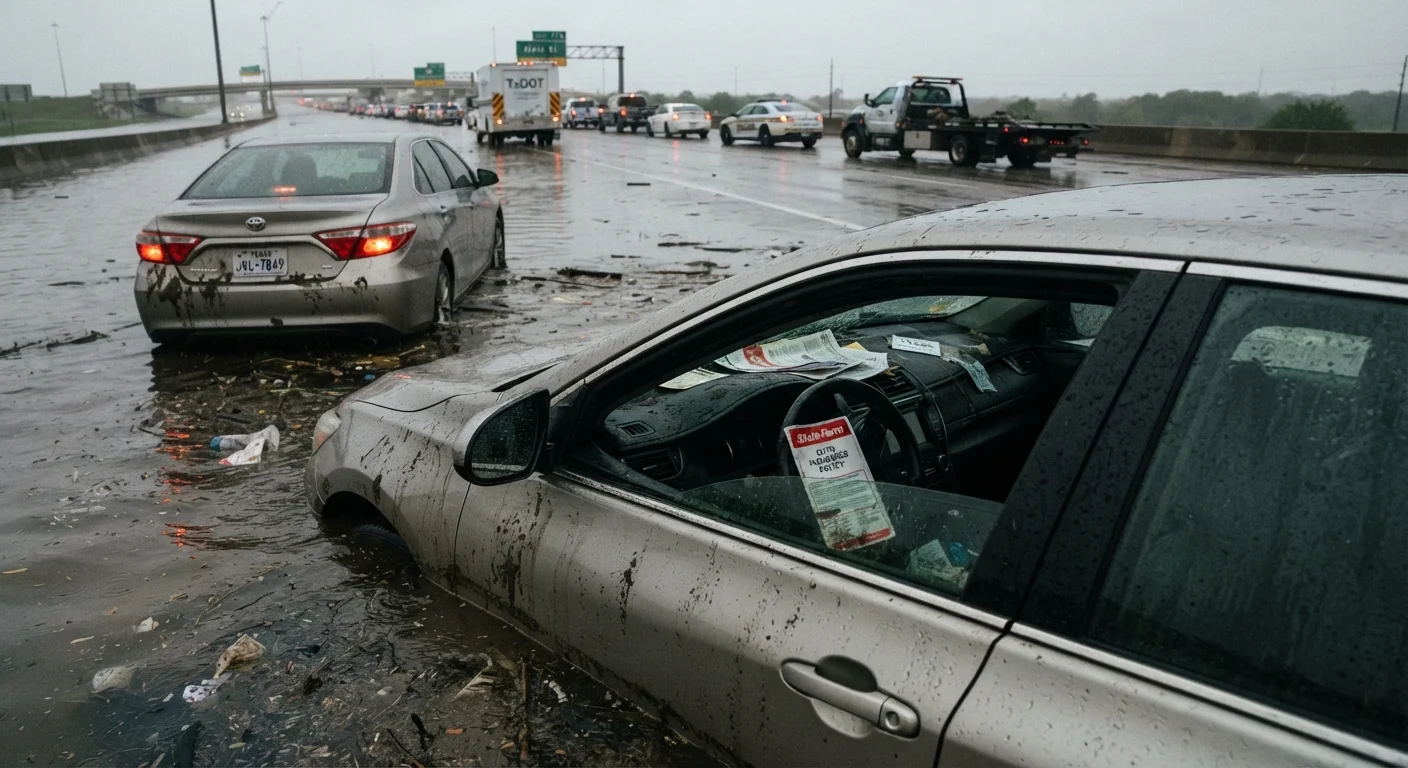
GAP stands for Guaranteed Asset Protection. When your vehicle is declared a total loss - due to an accident, flood, fire, or theft - your standard auto insurance pays out your car's actual cash value (ACV) at the time of the loss. ACV is essentially what the car would sell for on the open market that day, not what you paid for it or what you still owe on it.
The problem is that cars depreciate faster than most loan balances shrink. If you financed $32,000 on a new vehicle and it's totaled 18 months later, your insurer might pay out $24,000 in ACV - but you could still owe $27,000 on the loan. That $3,000 shortfall comes out of your pocket unless you have GAP coverage. GAP insurance pays that difference so you don't end up making payments on a car you no longer own.
For broader context on how insurance fits into the full picture of vehicle ownership costs, see our guide to the real cost of owning a car.
The Pros of GAP Insurance
For certain buyers, GAP coverage provides meaningful financial protection at a relatively modest cost.
Protects you from paying for a totaled car
Without GAP coverage, a total loss can leave you responsible for thousands of dollars on a loan for a vehicle you can no longer drive. GAP eliminates that liability.
Relatively low cost when bought through insurers
When added to an existing comprehensive auto policy, GAP coverage often costs between $20 and $40 per year, making it affordable protection for high-risk early loan periods.
Critical buffer during steep depreciation window
New vehicles can lose 15-25% of their value in the first year alone. GAP coverage is most protective during this early period when the loan-to-value gap is widest.
Required by some lenders and leases
Some financing agreements and nearly all lease contracts require GAP coverage, meaning having it keeps you in compliance with your contract terms.
Peace of mind during a stressful claim
After a total loss, dealing with a remaining loan balance adds financial stress to an already difficult situation. GAP removes that variable entirely.
~20%
Average first-year depreciation for new vehicles
Industry data from vehicle valuation sources consistently shows new cars lose roughly 15-25% of their value within the first 12 months of ownership.
70%+
New car buyers who finance their purchase
According to Experian's State of the Automotive Finance Market reports, the large majority of new vehicle purchases in the US are financed rather than paid in cash.
72-84 mo.
Increasingly common auto loan terms
Consumer Financial Protection Bureau data indicates that longer loan terms have grown more prevalent, increasing the window during which buyers may carry negative equity.
GAP insurance is typically most cost-effective when purchased through your auto insurer rather than added at the dealership, where it may be bundled into your loan and cost significantly more over time. If you're reviewing financing terms closely, our list of questions to ask before signing a car financing agreement covers GAP add-ons and other items worth scrutinizing.
The Cons of GAP Insurance
GAP insurance isn't a smart purchase in every situation, and in some cases it's simply money spent unnecessarily.
Unnecessary once loan approaches vehicle's value
As your balance shrinks and your car's depreciation slows, the potential gap narrows. Continuing to pay for GAP at that point offers little real protection.
Dealership pricing is often inflated
GAP sold at the F&I (finance and insurance) office can cost $400-$700 or more, and when financed into the loan, you pay interest on it too - far exceeding what an insurer would charge.
Does not cover all loan-related charges
Deductibles, missed payments, extended warranties, and other add-ons rolled into the loan balance are generally excluded from GAP coverage, leaving some residual exposure.
Redundant if you have a large equity cushion
Drivers who made a significant down payment - typically 20% or more - may never experience a negative equity situation, making the coverage unnecessary from day one.
No payout if the car isn't totaled
GAP insurance applies only to total loss events. It provides no benefit for partial damage repairs, mechanical failures, or other common claims.
When to Cancel GAP Coverage
GAP insurance isn't meant to be permanent. Once your loan balance drops below your vehicle's current market value - which you can estimate using a reputable valuation resource - the coverage no longer serves a financial purpose. At that point, canceling it and redirecting that premium elsewhere is a reasonable financial decision. Check with your insurer about their cancellation and pro-rated refund policies.
It's also worth knowing that GAP insurance doesn't cover every gap. Most policies exclude items like extended warranties, credit life insurance, or past-due payments that were rolled into the loan. Always read the policy terms carefully before assuming full protection.
Who Should Seriously Consider It - and Who Can Skip It
GAP insurance tends to make the most financial sense in specific circumstances:
- Small or no down payment: If you financed 90-100% of the purchase price, you start underwater immediately due to depreciation.
- Long loan terms (72-84 months): Slower principal paydown means your balance stays above ACV longer.
- Rolled-over negative equity: If you owed more on your previous car than it was worth and folded that into the new loan, you're starting with an even larger gap.
- Leased vehicles: Many lease agreements require GAP coverage, and it's often built in - but worth confirming. For more on how lease and purchase financing compare, see our leasing vs. buying comparison.
On the other hand, you can likely skip GAP insurance if you made a down payment of 20% or more, your loan term is 36-48 months, or you've already paid down the loan to a point where the balance is at or below the vehicle's current market value. Running a quick check using a free vehicle valuation tool and comparing it to your loan payoff statement can answer the question definitively.