

Key Takeaways
- The monthly loan payment typically covers less than half of total vehicle ownership costs.
- Depreciation often accounts for the single largest annual expense for new car owners.
- Insurance premiums vary widely based on vehicle type, driving record, and location.
- Routine maintenance, done on schedule, consistently reduces the cost of unexpected repairs.
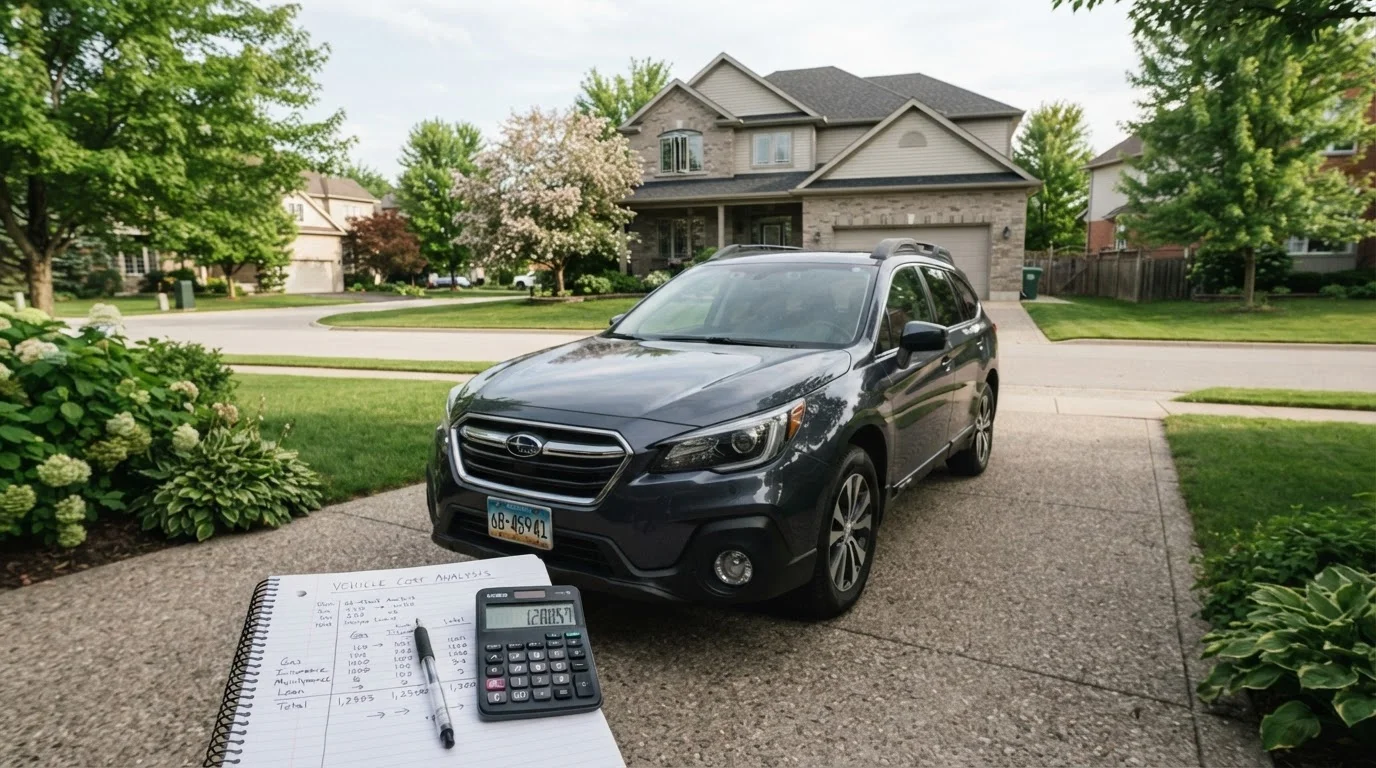
- Calculating the true annual cost before buying helps you choose a vehicle you can afford.
Why the Monthly Payment Misleads Most Buyers
When shoppers compare vehicles, the monthly payment dominates the conversation. A $450-per-month loan feels manageable - until the insurance bill, registration fee, and gas costs stack on top. The monthly payment only reflects loan principal and interest. It tells you nothing about depreciation, fuel, insurance, maintenance, or taxes, which together can easily double what you spend on a vehicle each year.
Understanding the full picture before you buy is the difference between a vehicle that fits your budget and one that quietly drains it. As our guide on how auto loan interest works explains, even the loan itself is more complex than the monthly figure suggests - APR and loan term shape total interest paid in ways most buyers don't see until it's too late.
$10,728
Average annual cost to own and operate a vehicle
According to AAA's annual 'Your Driving Costs' study, the average American driver pays over $10,000 per year when all ownership costs are factored in.
~20%
Average first-year depreciation on a new car
Industry analysts broadly estimate new vehicles lose approximately 15-25% of their value within the first 12 months of ownership.
15,000
Average annual miles driven by US drivers
The Federal Highway Administration estimates the average American drives approximately 14,000-15,000 miles per year.
Depreciation: The Largest Cost You Never Write a Check For
Depreciation is the decline in a vehicle's market value over time. Most new vehicles lose roughly 15-25% of their value in the first year of ownership, and around 50% within five years, though rates vary by make, model, and market conditions. Because you never write a check for depreciation, it's easy to ignore - but it's the biggest financial cost for most new-car owners.
A vehicle purchased for $35,000 that's worth $26,000 a year later has cost its owner $9,000 in depreciation alone, regardless of how many miles were driven or what the monthly payment was. If you're weighing new versus used, our article comparing new and used vehicle costs walks through how depreciation affects each option differently.
Before visiting a dealership, look up a specific vehicle's projected resale value at three and five years out. Choosing a model with stronger resale retention can save thousands over your ownership period.
Depreciation is the largest hidden cost of new-car ownership, yet it's almost never discussed during the sales process. A modest difference in retention rate compounds significantly over time.
Get an insurance quote on a vehicle before you agree to buy it - not after. Insurance costs can vary by hundreds of dollars annually between similar vehicles due to safety ratings, repair costs, and theft rates.
Many buyers are surprised by their first insurance bill because they never compared premiums across vehicle options. This step takes minutes and can influence the final purchase decision meaningfully.
Insurance, Fuel, and Registration Costs
Insurance: Auto insurance premiums vary significantly based on your driving history, location, vehicle type, age, and coverage level. According to data from the National Association of Insurance Commissioners, average annual auto insurance expenditures in the US exceed $1,000 per vehicle, though premiums in urban areas or for newer, higher-value vehicles can run considerably higher. Full coverage on a financed vehicle is typically required by lenders.
Fuel: At an average of 15,000 miles driven per year and a vehicle averaging 28 miles per gallon, a driver spending $3.50 per gallon would pay roughly $1,875 annually in fuel. Trucks, SUVs, and performance vehicles with lower fuel economy can push this figure well above $3,000.
Registration and taxes: State vehicle registration fees, property taxes (in states that levy them), and annual inspection fees typically range from under $100 to several hundred dollars per year depending on your state. These are fixed costs that arrive on a schedule - budget for them accordingly.
Maintenance and Unexpected Repairs
Scheduled maintenance - oil changes, tire rotations, brake inspections, fluid replacements, filters - is predictable and relatively affordable when kept current. Skipping scheduled service, however, tends to convert small, inexpensive issues into major, costly repairs. Our car maintenance hub covers what a standard maintenance schedule looks like and how to stay on top of it without overpaying.
Unexpected repairs are harder to predict but statistically likely over a multi-year ownership period. Industry data suggests drivers should set aside at least $50-$100 per month in a dedicated vehicle fund to cover tires, brakes, batteries, and other wear items that will eventually need replacement. Older vehicles generally carry higher repair risk, while newer vehicles still under warranty shift some of that risk to the manufacturer.
Don't Skip Your Repair Reserve Fund
Relying on a credit card or loan for unexpected vehicle repairs is one of the most common ways car ownership becomes financially stressful. Tires, brakes, and batteries all wear out on a predictable timeline - they're not truly 'unexpected' if you plan for them. Setting aside a modest amount monthly into a dedicated fund means these routine replacements won't disrupt your broader budget.
How to Calculate Your True Annual Cost
Adding up your real annual cost takes five inputs:
- Loan/lease payments: Multiply your monthly payment by 12.
- Depreciation estimate: Look up the vehicle's projected resale value after one year and subtract from the purchase price. This is the most variable figure, and tools like those described in our guide on reading a car's total cost of ownership can help.
- Insurance: Get an accurate annual premium quote before finalizing a purchase.
- Fuel: Estimate your annual mileage, divide by the vehicle's EPA-estimated MPG, then multiply by your local average fuel price.
- Maintenance and repairs: Use your scheduled maintenance interval costs plus a repair reserve.
Add registration and taxes, and you have a realistic annual ownership figure. Dividing that total by 12 gives you a true monthly cost - one that may look meaningfully different from the loan payment alone.
Ways to Reduce Your Total Ownership Costs
Owning a vehicle is expensive, but several strategies can meaningfully reduce what you pay over time:
- Buy with total cost in mind, not just the payment. A vehicle with a lower purchase price but worse fuel economy or higher insurance costs can cost more annually than a more expensive option with a better profile across those categories.
- Keep up with scheduled maintenance. This is the single most reliable way to avoid large, unplanned repair bills.
- Review your insurance coverage periodically. As a vehicle ages and its value declines, the math on comprehensive and collision coverage changes. Consulting with a licensed insurance professional annually can help you determine whether your coverage level still makes financial sense.
- Understand how your credit score affects your loan rate. Our article on how credit scores affect car costs explains how even a modest score improvement can reduce total interest paid over the life of a loan.
- Avoid common buyer assumptions. Beliefs about pricing, financing, and dealer incentives often lead to overpaying. See common car-price assumptions that cost buyers money for a closer look.
This article is for general informational and educational purposes only. It does not constitute financial, tax, insurance, or legal advice. Consult a qualified professional for guidance specific to your situation.