

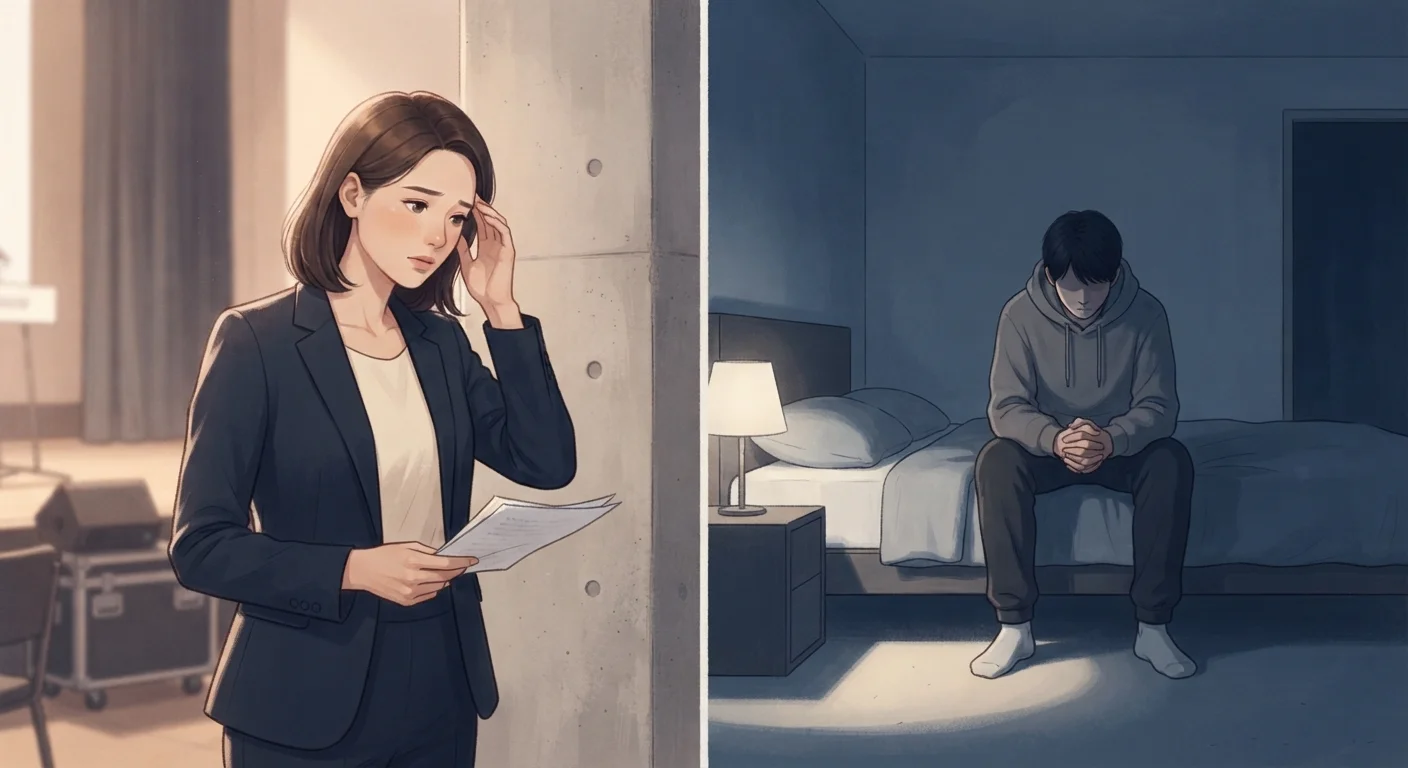
Key Takeaways
- Everyday anxiety is a normal, short-lived response to identifiable stressors and usually fades on its own.
- Anxiety disorders are clinical conditions where anxiety is persistent, intense, and interferes with daily life.
- The key distinctions are duration, intensity, and whether the anxiety is proportionate to its trigger.
- Anxiety disorders are among the most common mental health conditions in the United States, affecting millions of adults.
- Professional evaluation by a licensed mental health provider is the only reliable way to distinguish a disorder from normal anxiety.
- Effective, evidence-based treatments exist for anxiety disorders - early support generally leads to better outcomes.
Option A
Everyday Anxiety
A normal, temporary emotional response to real-life stress.
Best for: Understood as a universal human experience that typically resolves once a stressor passes.
Option B
Anxiety Disorder
A clinically recognized condition that persists beyond the triggering event.
Best for: Identified by healthcare professionals when anxiety is disproportionate, persistent, and significantly impairs daily functioning.
If your nervousness fades after the stressor resolves
Everyday Anxiety
Short-lived worry tied to a specific event - like a job interview or a difficult conversation - is a healthy emotional response, not a clinical concern.
If anxious feelings persist for weeks and disrupt sleep, work, or relationships
Anxiety Disorder
Chronic, disproportionate anxiety that impairs functioning warrants evaluation by a licensed mental health or medical professional.
If you are unsure whether what you feel is 'normal' or something more
Anxiety Disorder
When in doubt, a professional assessment is always the right step - there is no downside to seeking clarity about your mental health.
What Is Everyday Anxiety?
Anxiety is a fundamental part of the human experience. Feeling nervous before a big presentation, uneasy during a difficult conversation, or on edge after unsettling news are all examples of everyday anxiety - a natural response hardwired into our nervous system.
This type of anxiety is rooted in biology. The brain's threat-detection system triggers the release of stress hormones, sharpening focus and preparing the body to respond. Once the stressor passes, the feeling fades. It is proportionate to the situation, temporary, and does not stop a person from functioning or moving forward with their day.
Everyday anxiety can actually be useful. Mild pre-exam nerves, for instance, can sharpen attention. The discomfort of worrying about a health symptom can motivate someone to schedule a doctor's appointment. In these ways, normal anxiety serves a protective purpose.
Anxiety Is Not the Same as Weakness
Experiencing anxiety - whether everyday or clinical - is not a character flaw or a sign that something is fundamentally wrong with you. It reflects a biological system doing its job, sometimes too well. Understanding this framing can reduce the shame that often prevents people from seeking support when they genuinely need it.
What Is an Anxiety Disorder?
An anxiety disorder is a recognized clinical condition in which anxiety becomes persistent, intense, and disproportionate - often arising without a clear external trigger or lingering long after a stressor has resolved. According to the National Institute of Mental Health (NIMH), anxiety disorders are the most common mental health conditions in the United States, affecting tens of millions of adults.
There are several distinct types of anxiety disorders, including Generalized Anxiety Disorder (GAD), Panic Disorder, Social Anxiety Disorder, and Specific Phobias, among others. Each has its own pattern of symptoms, but all share a defining feature: the anxiety meaningfully interferes with a person's ability to function at work, in relationships, or in daily life.
People with anxiety disorders often describe feeling trapped in a cycle of worry they cannot switch off, even when they know - intellectually - that the fear may be outsized. This is an important distinction: a disorder is not simply a matter of being a "worrier" or lacking resilience.
| Criterion | Everyday Anxiety | Anxiety Disorder |
|---|---|---|
| Duration | Short-lived; resolves with stressor | Persistent; often weeks or months |
| Trigger | Identifiable, real-life situation | May be absent or disproportionate |
| Intensity | Uncomfortable but manageable | Overwhelming; may include panic |
| Impact on daily life | Minimal; person still functions well | Significant impairment to functioning |
| Requires clinical diagnosis | No | Yes - by a licensed professional |
| Treatment indicated | Healthy coping strategies sufficient | Therapy, and sometimes medication |
Key Differences: Duration, Intensity, and Impairment
Three criteria help draw a meaningful line between normal anxiety and a clinical disorder:
- Duration: Everyday anxiety resolves when the triggering situation ends. Anxiety disorders persist - often for months - regardless of circumstances.
- Intensity: Normal anxiety feels uncomfortable but manageable. In a disorder, the anxiety can feel overwhelming and uncontrollable, sometimes escalating to panic attacks.
- Impairment: Everyday anxiety does not prevent you from living your life. An anxiety disorder interferes with work, socializing, sleep, physical health, or all of the above.
It is worth noting that occasional intense anxiety - such as a panic attack during a particularly stressful period - does not automatically indicate a disorder. Context, frequency, and the overall pattern matter, which is why professional evaluation is so important. Only a licensed mental health provider can make a diagnosis.
31%
U.S. adults affected by anxiety disorder
The National Institute of Mental Health estimates that approximately 31% of U.S. adults will experience an anxiety disorder at some point in their lives.
~40%
Anxiety disorder sufferers who receive treatment
Despite being highly treatable, only about 36-43% of people with anxiety disorders receive any form of treatment, according to the Anxiety and Depression Association of America.
When to Seek Support - and What to Expect
If your anxiety is persistent, feels out of proportion to your circumstances, or is getting in the way of things that matter to you, talking to a healthcare professional is a sound and worthwhile step. Reaching out is not a sign of weakness - it is practical self-care.
Primary care physicians can be a helpful first point of contact. They can rule out physical causes for anxiety symptoms, such as thyroid issues, and refer you to a mental health specialist if appropriate. Licensed therapists, psychologists, and psychiatrists are trained to evaluate and treat anxiety disorders. Evidence-based approaches such as cognitive behavioral therapy (CBT) are well-supported by research for anxiety disorders.
Interestingly, anxiety is not limited to humans. If you have a pet showing signs of persistent distress, know that animal anxiety is also recognized and treatable - see our guide to stress and anxiety in pets for an overview of behavioral and veterinary options.
This article is for general informational and educational purposes only and does not constitute medical or mental health advice. If you are experiencing symptoms that concern you, please consult a qualified healthcare or mental health professional.