

Health & Wellness Editorial Team

A Week of Nutritionally Balanced Eating: What to Keep in Mind Each Day
Use this day-by-day checklist to audit whether your weekly eating patterns cover the key n…

Added Sugar vs. Natural Sugar: A Distinction Worth Understanding
Both are sugars, but the body and food labels treat them differently. Here's what the scie…

Building a Balanced Plate Without Counting Every Calorie
Portion awareness, food group balance, and practical plate-building strategies that don't …

Dietary Fiber: The Nutrient Most Americans Consistently Under-Eat
Fiber affects digestion, blood sugar, and heart health. Learn the difference between solub…

Everyday Nutrition for Busy Schedules: Strategies That Actually Stick
Practical, realistic approaches to eating well when time is short — no meal-prep marathons…

Hydration and Food: How Much of Your Water Intake Comes from Eating
Drinking water is only part of the hydration picture. Discover which foods contribute sign…

Micronutrients at a Glance: A Plain-Language Reference to Vitamins and Minerals
A quick-lookup guide to key vitamins and minerals — what each one does, where it's found, …

Nutrition from Scratch: A First Principles Introduction to Eating Well
New to thinking about nutrition? Start here. This guide covers the foundational concepts e…

Protein Sources Compared: Animal, Plant, and Blended Diets
Not all protein is created equal. This comparison covers amino acid profiles, bioavailabil…
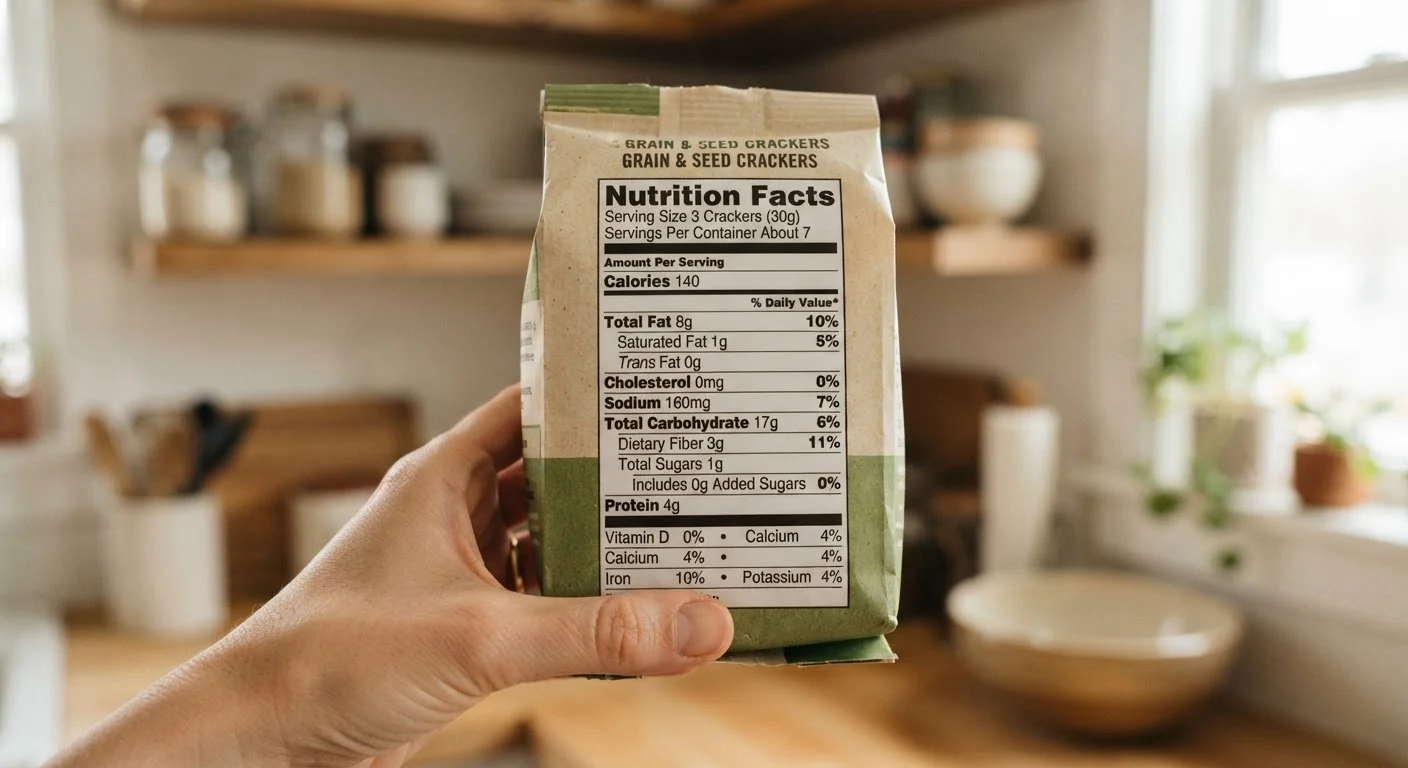
Reading a Nutrition Label Without Getting Confused
Serving sizes, percent daily values, added sugars — here's what every line on a nutrition …

Sneaky Ways Sodium Hides in Everyday Foods
Most dietary sodium doesn't come from a salt shaker. Learn which common packaged and resta…

The Nutrition Myths Most Americans Still Believe
From fat making you fat to detox cleanses, science has moved on. Find out which widely hel…

Understanding the Glycemic Index - and Its Real Limits
The glycemic index is useful but often misunderstood. Here's what it measures, what it mis…

What Macronutrients Actually Do in Your Body
Carbs, protein, and fat explained without the jargon. Learn what each macronutrient does a…
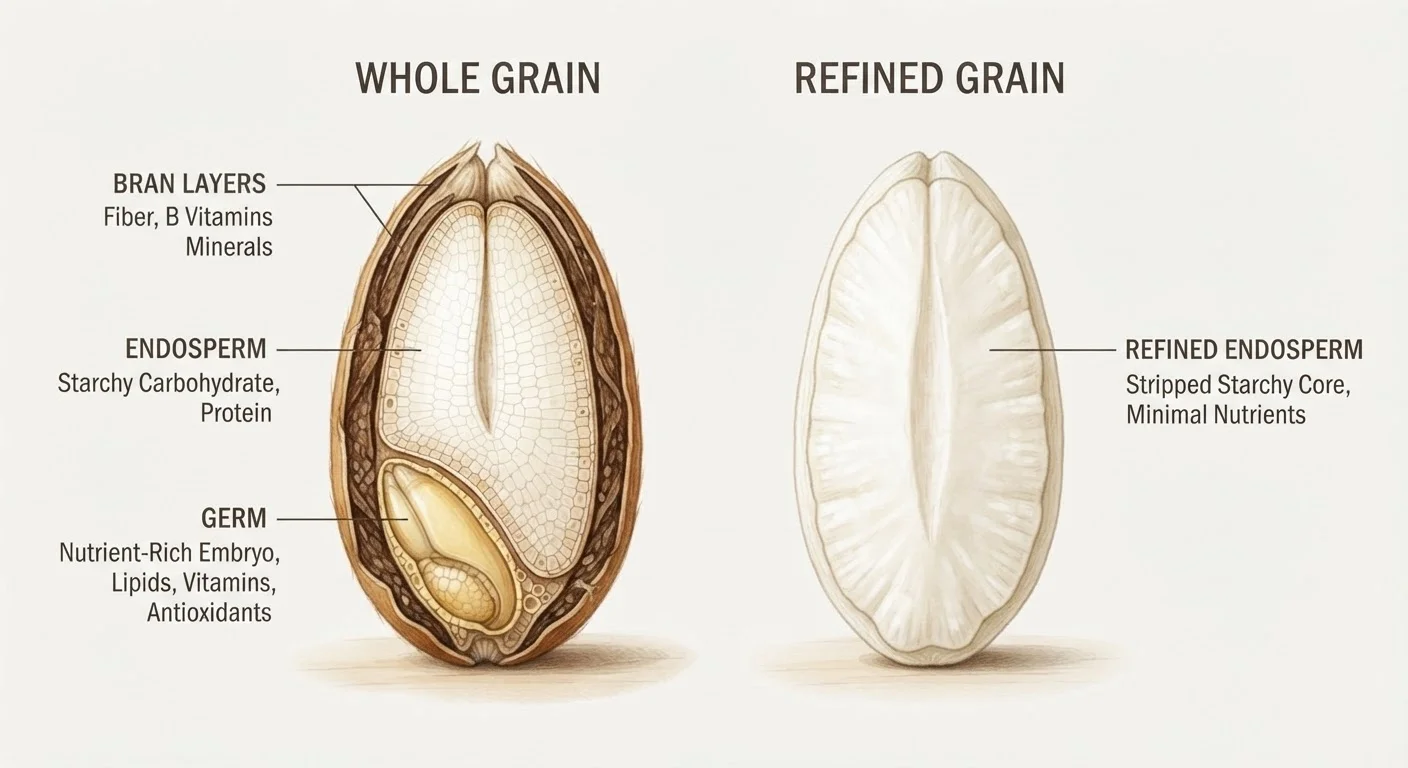
Whole Grains vs. Refined Grains: What Changes When You Process a Kernel
Why does refining grain matter nutritionally? A clear look at what's lost, what stays, and…

Why Your Body Needs Dietary Fat - and Which Kinds Matter Most
Saturated, unsaturated, and trans fats each behave differently in the body. A clear breakd…

Bodyweight vs. Free Weights: Choosing an Approach That Fits Your Life
Both bodyweight and free-weight training can build strength effectively. See how they diff…

Building a Movement Habit When You Hate the Gym
Gyms aren't for everyone. Discover practical, low-pressure ways to build consistent physic…
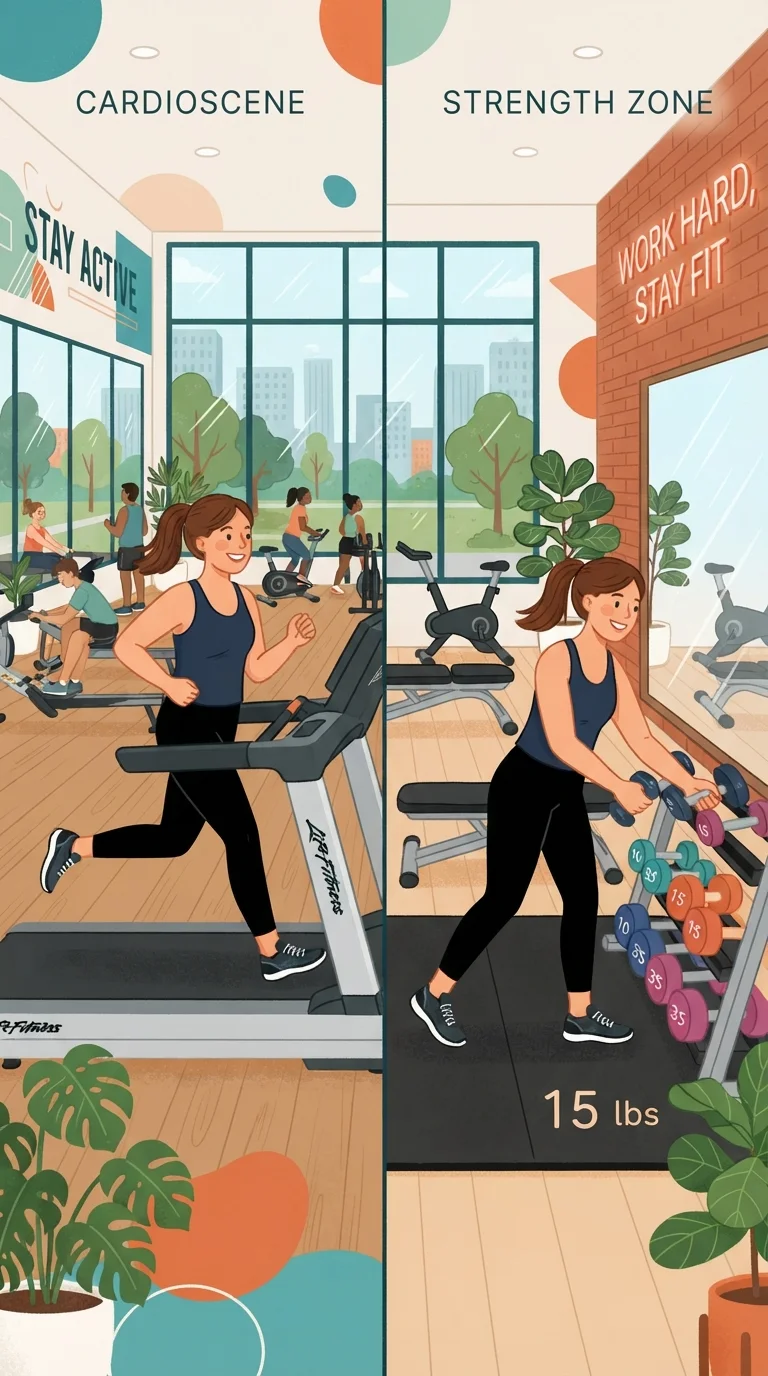
Cardio vs. Strength Training: The False Choice Most People Make
Many people treat cardio and strength as competing priorities. Here's why that framing mis…

Everyday Ways to Sit Less Without Overhauling Your Schedule
Prolonged sitting has real health implications. These practical adjustments help you move …

Fitness at 50 and Beyond: What Changes and What Stays the Same
Exercise science for older adults looks a little different. Understand the physiological s…

Home Workout Essentials: What's Worth Having and What You Can Skip
Before filling your spare room with equipment, understand what actually supports home exer…

How Rest Days Fit Into a Sensible Fitness Plan
Rest days aren't a sign of laziness—they're built into any sound training approach. Here's…

Physical Activity for Every Fitness Level: A Complete Starting Framework
From sedentary to already active, this authoritative guide covers how to understand, plan,…

Starting Exercise with a Chronic Condition: Principles Worth Knowing
Physical activity can play a supportive role alongside medical care for many chronic condi…

Strength Training for People Who've Never Lifted Before
A clear, jargon-free introduction to strength training—what it involves, why it matters at…

Stretching Myths That Have Shaped How Americans Warm Up
Static stretching before exercise, the "no pain no gain" rule, and more—separating fitness…

The Weekly Movement Checklist for People with Busy Schedules
Use this straightforward checklist to make sure you're hitting key movement goals each wee…

Walking vs. Running: What Each One Actually Does for Your Body
Walking and running both improve health, but in different ways. Explore how each affects y…

What NEAT Is and Why It May Matter More Than Your Workout
NEAT—non-exercise activity thermogenesis—covers all the movement you do outside formal wor…

Why Your Fitness Routine Falls Apart After Two Weeks
Losing momentum with exercise is common—and rarely about willpower. Here's what's actually…

Zone 2 Cardio: The Low-Intensity Training Concept Everyone's Talking About
Zone 2 cardio is gaining attention among everyday exercisers. Here's what it means, how it…

Approaches to Stress Management: What the Research Generally Supports
From breathing techniques to cognitive reframing, here's an honest look at stress manageme…

Building a Wind-Down Routine That Actually Quiets Your Mind
Racing thoughts at bedtime are common but manageable. Learn how a structured evening routi…

Common Things People Get Wrong About Seeing a Therapist
From "it's only for serious problems" to "talking about it makes things worse" — here's wh…

How Sleep and Mental Health Are Connected - and What That Means in Practice
Poor sleep worsens mood and stress; stress disrupts sleep. Understanding this cycle is the…

Journaling for Emotional Well-Being: Where to Begin
You don't need to be a writer to benefit from journaling. Discover simple, research-backed…

Mental Health Days: What They Are and When Taking One Makes Sense
A mental health day isn't laziness — it's recovery. Here's what the concept means and how …

Mental Wellness From the Ground Up: A Comprehensive Overview
Covering stress, emotions, sleep, relationships, and when to seek help — a thorough, stigm…

Mindfulness Without the Jargon: A Practical Primer
Mindfulness doesn't require meditation retreats or special apps. This grounded overview ex…

Setting Emotional Boundaries Without Feeling Guilty About It
Boundaries aren't about shutting people out — they're about protecting your energy. Learn …

Signs That Stress Has Crossed Into Something That Deserves Attention
Stress is normal, but some signs suggest it's time to talk to a healthcare provider. Learn…

Small Daily Habits That Support Emotional Resilience
Resilience isn't a personality trait you either have or lack. These everyday practices can…

The Difference Between Feeling Anxious and Having an Anxiety Disorder
Everyday anxiety and clinical anxiety disorders aren't the same thing. Understanding the d…

Therapy, Counseling, and Psychiatry: Understanding the Differences
Therapist, counselor, psychiatrist — these terms get mixed up constantly. Here's a plain-l…

Ways People Unintentionally Make Stress Worse
Some common coping habits — like doomscrolling or skipping meals — can quietly amplify str…

What Stress Actually Does to Your Body Over Time
Chronic stress affects more than your mood. Learn how prolonged stress impacts your heart,…

Why Venting to a Friend Isn't the Same as Talking to a Professional
Leaning on friends is valuable — but it has limits. Here's what distinguishes social suppo…