

Key Takeaways
- Physical barriers like row covers and copper tape can stop many pests before they reach your plants.
- Companion planting with herbs and flowers naturally deters common insects and attracts beneficial predators.
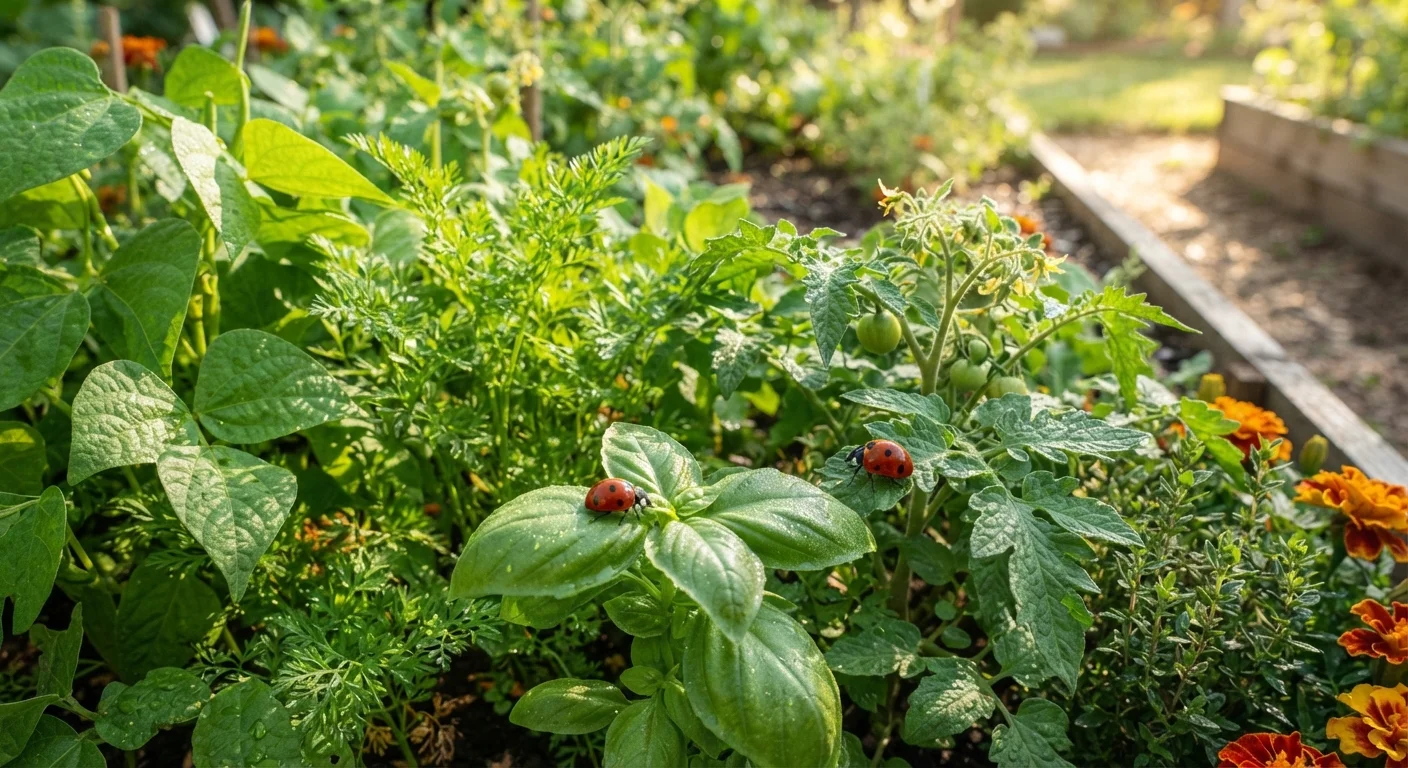
- Beneficial insects such as ladybugs and parasitic wasps provide free, ongoing pest control.
- Consistent garden hygiene - removing debris and monitoring regularly - prevents pest populations from exploding.
- Non-chemical approaches are often more cost-effective long-term and safer for pollinators and soil health.
Why Try Non-Chemical Pest Control First?
Reaching for a pesticide spray the moment you spot a chewed leaf is understandable, but it's rarely the most efficient first move. Many chemical controls are broad-spectrum, meaning they kill beneficial insects - including the natural predators already working on your behalf - right alongside the pests. That disruption can actually make future pest problems worse, not better.
Non-chemical strategies, by contrast, work with your garden's natural systems. They tend to build resilience over time, reduce recurring costs, and minimize unintended harm to pollinators, earthworms, and soil biology. If you're growing food, this matters even more.
The approaches below aren't experimental or complicated - they're tried-and-true methods used by home gardeners and market growers alike. Most involve a modest upfront investment of time or materials, with dividends that last the entire season. If you're just getting started with an edible plot, our beginner vegetable garden guide covers choosing the right site and layout, which directly affects how manageable pests will be.
Use Physical Barriers at the Source
Floating row covers made of lightweight spun fabric are one of the most reliable tools in a non-chemical toolkit. Draped over transplants or seedlings and secured at the edges with soil or garden staples, they physically exclude flying and crawling insects while still allowing light, air, and water through. They work especially well against cabbage moths, squash vine borers, cucumber beetles, and flea beetles.
For slugs and snails, copper tape applied around container rims delivers a mild deterrent effect - slugs dislike crossing it. Sticky traps placed at plant level can intercept whiteflies and fungus gnats before populations build. The key with barriers is timing: install them before pests arrive, not after.
Install row covers before pests arrive - reactive coverage rarely works as well as proactive protection.
Practice Strategic Companion Planting
Certain plants produce volatile compounds or attract predatory insects that suppress pests naturally. Some well-documented pairings include:
- Basil near tomatoes - may deter thrips and aphids; also attracts pollinators.
- Marigolds (Tagetes species) near vegetable beds - their root secretions can suppress certain soil nematodes, and their flowers attract pest-eating hoverflies.
- Nasturtiums as a trap crop - aphids are strongly attracted to nasturtiums and will cluster there rather than on beans or brassicas, making them easier to monitor and remove.
- Dill and fennel - host plants for parasitic wasps and lacewings that prey on caterpillars and aphids.
Companion planting works best when integrated into your layout from the start rather than added as an afterthought mid-season.
Nasturtiums work as a trap crop, drawing aphids away from vegetables so you can manage them in one spot.
Encourage Beneficial Insects
A garden that supports beneficial insects is one that largely manages its own pest pressure. Ladybugs, lacewings, ground beetles, parasitic wasps (many too small to sting humans), and predatory mites all feed on common garden pests. The challenge is creating conditions that keep them around.
Provide habitat by leaving small sections of bare soil for ground-nesting bees and beetles, planting a diversity of flowering plants (especially those with small, open flowers like alyssum or cilantro allowed to bolt), and avoiding any broad-spectrum insecticides that would eliminate your allies. Purchasing beneficial insects can give populations a boost, though they're most effective when habitat already exists to support them.
Small-flowered plants like alyssum and bolted cilantro are magnets for the beneficial insects that keep pests in check.
Handpick and Monitor Consistently
It sounds too simple, but hand-removal is genuinely effective - particularly for larger, slower pests. Inspect the undersides of leaves for hornworm eggs or early caterpillar clusters. Drop Japanese beetles or squash bugs into a container of soapy water. Check brassica leaves every few days during peak moth season and pinch off cabbage worm clusters before they hatch.
The effectiveness of handpicking scales directly with frequency. A quick daily walk through your beds takes very little time but allows you to catch infestations when they're still small and manageable. Keep a simple journal or take phone photos so you can spot population trends week to week.
Daily five-minute inspections catch pest problems when they're still small - before chemical intervention would even be tempting.
Maintain Garden Hygiene to Remove Pest Habitat
Many common garden pests overwinter in plant debris, spent crop residue, and dense leaf litter. Cleaning up thoroughly at the end of the season - removing tomato vines, fallen fruit, and weedy growth from bed edges - directly reduces the number of pests that survive to the following spring.
During the growing season, promptly remove any diseased or heavily infested plant material rather than composting it in a home pile where heat may be insufficient to kill pests or pathogens. Crop rotation also disrupts pest cycles: moving plant families to different beds year to year prevents soil-dwelling pests like cucumber beetle larvae from building up in one location.
End-of-season cleanup is one of the highest-return pest prevention tasks you can do for next year's garden.
Apply Targeted Low-Impact Interventions When Needed
When a pest population pushes past the threshold that physical and biological approaches can hold, a few targeted options sit between doing nothing and using broad-spectrum chemicals. Insecticidal soap (a contact spray that breaks down quickly and has minimal residual effect on non-target insects when dry) works against soft-bodied pests like aphids and spider mites. Neem oil, derived from the neem tree, disrupts the life cycle of many insects when applied to foliage and soil but degrades rapidly in sunlight.
Bacillus thuringiensis (Bt) is a naturally occurring soil bacterium available as a spray that specifically affects caterpillars - it's considered acceptable in many organic growing systems because it doesn't persist in the environment and doesn't harm beneficial insects. Always follow label directions for any product, and apply in the evening when pollinator activity is lowest.
Targeted interventions like insecticidal soap degrade quickly and spare beneficial insects - a meaningful step up from broad-spectrum sprays.
Putting It All Together
No single technique eliminates every pest, and that's fine - the goal is to keep damage at an acceptable threshold, not to sterilize your garden. Layer two or three of these methods and you'll find that most pest problems stay manageable without ever opening a chemical bottle.
Build Pest Resistance Into Your Layout
Good plant spacing improves airflow and reduces the humid microenvironments that fungal problems and certain pests thrive in. Dense, overcrowded plantings also make it harder to spot early infestations. When planning beds, follow recommended spacing and resist the urge to pack in extra plants - a less crowded garden is often a healthier one.
Start with observation. Spend five minutes in your garden each morning during peak growing season; catching a problem early - when it's a handful of aphids or one squash vine borer egg - is far easier than addressing a full infestation. Healthy soil, the right plant spacing, and consistent watering also underpin all of these strategies by producing sturdy plants that can tolerate moderate pest pressure.