

Key Takeaways
- Tracking your restaurant spending reveals exactly where your food budget leaks.
- Recreating a handful of favorite restaurant meals at home delivers satisfaction without the markup.
- Designating specific dining-out occasions preserves enjoyment while reducing impulse spending.
- Meal planning around your real schedule - not an ideal one - prevents costly last-minute takeout.
- Small habit shifts compound into meaningful annual savings without feelings of deprivation.
What you will need
Why Restaurant Spending Adds Up Faster Than It Feels
A $15 lunch here, a $40 dinner there - restaurant spending rarely feels significant in the moment, but it accumulates quickly. According to the U.S. Bureau of Labor Statistics, American households consistently rank food away from home as one of their top discretionary expenses. The problem isn't dining out itself; it's the unexamined habit of defaulting to restaurants whenever cooking feels inconvenient.
The goal here isn't to eliminate restaurant meals - it's to make them intentional. When you choose to dine out deliberately rather than automatically, you tend to enjoy it more and spend less overall. This guide walks you through practical, repeatable steps to shift that balance without sacrificing the meals that genuinely matter to you.
If you want to strengthen the broader foundation, see our guide to keeping grocery spending in check - the two habits work together naturally.
What You'll Need Before You Start
No special tools are required, but having a few things in place will make the process significantly smoother.
What you will need
Bank or credit card statement
Used to identify and total your restaurant and takeout spending over the past 30 days.
Weekly planner or calendar app
Helps you plan home meals around your actual schedule rather than an idealized one.
A simple recipe app or notebook
Stores your go-to home versions of favorite restaurant meals for quick reference.
Grocery list template
Keeps home cooking efficient by ensuring ingredients are always on hand when needed.
Step-by-Step: Cutting Restaurant Costs Without Cutting Enjoyment
Follow these steps in order. Each one builds on the last, so resist the temptation to jump straight to meal planning without first understanding your current spending pattern.
Audit Your Last 30 Days of Restaurant Spending
Pull up one month of statements and categorize every food purchase: sit-down restaurants, fast food, coffee shops, delivery apps, and workplace cafeterias. Add them up. Most people are surprised - sometimes significantly - by the total.
Write down the number and keep it visible. This is your baseline. You're not judging past behavior; you're creating an honest starting point for change.
Identify the Meals Worth Keeping - and the Ones You Won't Miss
Review your list and mark each restaurant visit with a simple label: worth it or habit/convenience. "Worth it" visits are ones where the experience, the company, or the specific food genuinely mattered. "Habit" visits are the ones you can barely remember.
Most people find that a significant share of their restaurant spending falls into the habit category - lunches grabbed out of routine, dinners ordered because the fridge looked bare. Those are your target reduction areas.
Build Home Versions of Your Two or Three Favorite Restaurant Meals
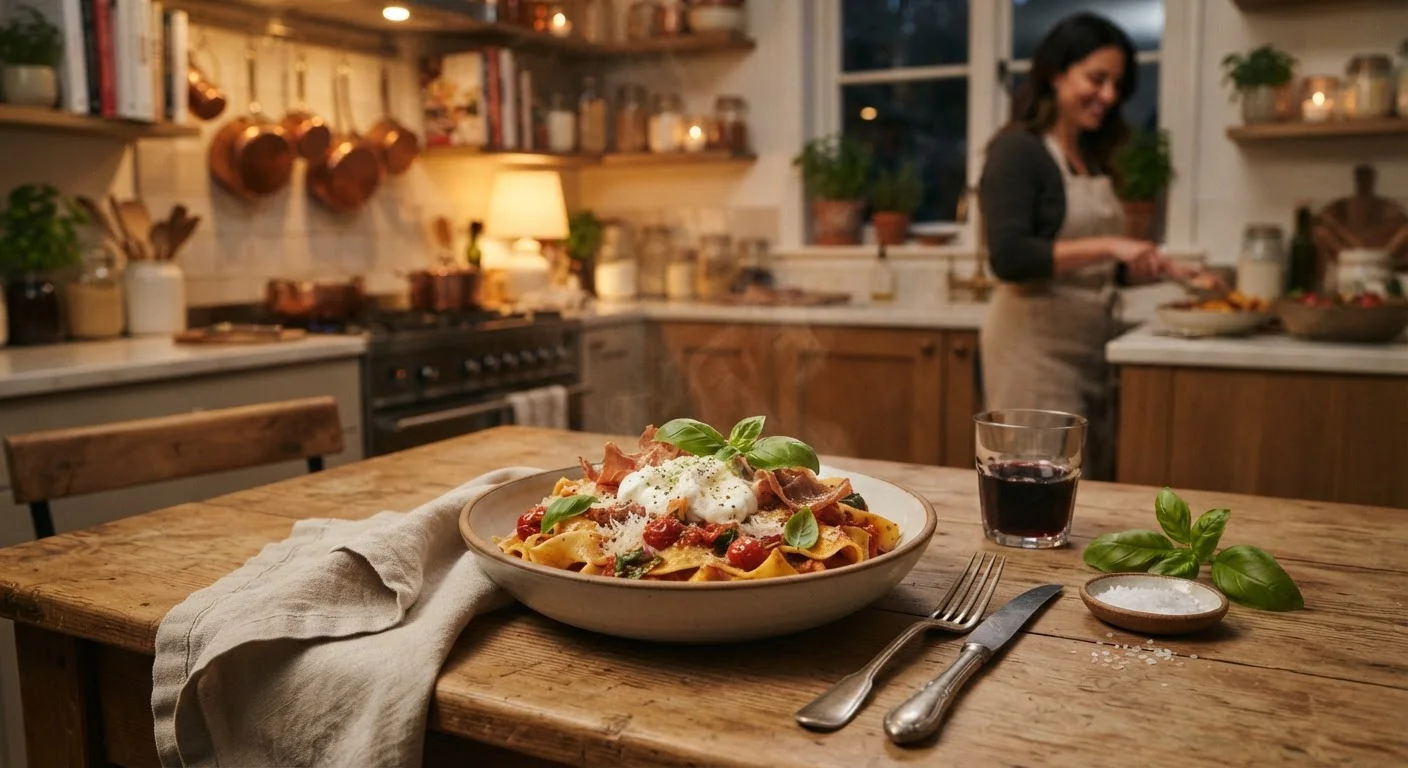
Pick two or three dishes you order regularly and find straightforward home recipes for them. You don't need to replicate them exactly - you need a version that satisfies the craving at a fraction of the cost. A homemade burrito bowl, a simple pasta with a good sauce, or a stir-fry with proteins you enjoy can all be made in 30 minutes or less.
Practice each recipe once or twice until it feels comfortable. These become your anchor meals - reliably satisfying options that eliminate the "I don't know what to cook" default that drives takeout orders.
Plan Meals Around Your Real Week, Not an Ideal One
Look at your upcoming week and identify your two or three busiest evenings - the nights when cooking a full meal is genuinely unlikely. Plan simple or no-cook options for those nights (leftovers, grain bowls, eggs, sandwiches). Reserve more involved cooking for evenings when you have time and energy.
This is the most common point where meal planning fails: people plan ambitious meals for nights when they're exhausted, then abandon the plan and order delivery. Honest scheduling prevents that cycle.
Set a Monthly Dining-Out Budget and Schedule Your Occasions
Based on your audit, set a realistic monthly dining-out target - typically 40-60% below your current baseline is achievable without feeling deprived. Then schedule your restaurant meals in advance, just as you would any other discretionary expense.
When dining out is planned, it stays enjoyable. When it's a default, it becomes invisible spending. Putting specific occasions on the calendar - a Friday dinner, a weekend brunch - also makes it easier to say no to unplanned impulse orders during the week.
Track and Adjust After the First Month
At the end of your first month, repeat the audit. Compare your new total to your baseline. Note what worked - which home meals landed well, which scheduled dining-out occasions felt satisfying - and what didn't. Adjust the plan accordingly.
The goal isn't a perfect system on the first try. It's an honest feedback loop that helps you refine a sustainable approach to food spending over time.
The Lunch Swap Often Has the Biggest Impact
For many people, weekday lunches away from home account for a disproportionate share of restaurant spending - often more than weekend dinners. Shifting even three out of five weekday lunches to home-prepared options can meaningfully reduce your monthly total. Batch-cooking a simple grain or protein on Sunday makes this easy to sustain.
Keeping the Momentum Going
The first few weeks are the hardest. After that, the habits become self-reinforcing: your pantry stays stocked, your go-to home recipes feel second nature, and your dining-out occasions feel genuinely special rather than routine. Most people find that after 60 to 90 days, their restaurant spending has dropped noticeably without feeling like sacrifice.
If you're working toward broader financial goals - paying down debt or building an emergency fund - the savings you redirect from dining out can make a measurable difference. The Saving & Debt hub offers practical strategies for putting those freed-up dollars to work.
For households managing tight schedules, pairing this approach with realistic nutrition habits helps prevent the fatigue that causes people to revert to takeout. Our everyday nutrition strategies for busy schedules article covers exactly that terrain.
This article is for general informational and educational purposes only and does not constitute personalized financial advice. Consult a qualified financial professional for guidance specific to your circumstances.