

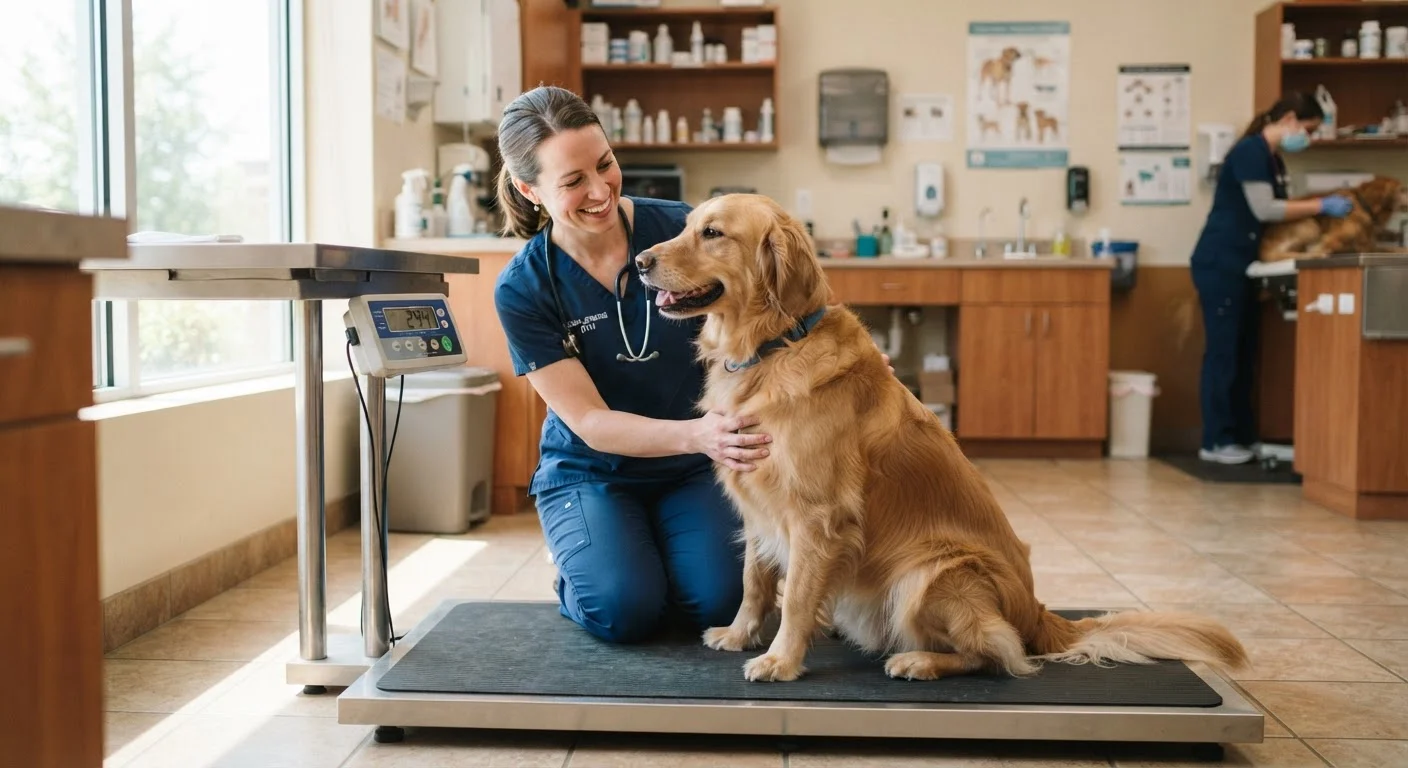
Key Takeaways
- Even modest excess weight significantly increases a pet's risk of arthritis, diabetes, and heart disease.
- Vets use Body Condition Scoring, not just scale weight, to accurately assess a pet's fat-to-muscle ratio.
- Gradual weight loss - typically 1-2% of body weight per week - is safer and more sustainable for pets.
- Treats and table scraps are among the leading contributors to unintentional pet weight gain.
- Weight management is most effective when approached as a long-term lifestyle habit, not a short-term fix.
Pet Weight Management
Pet weight management is the ongoing practice of monitoring your animal's body weight and body condition, then adjusting food intake and physical activity to keep them within a healthy range. Unlike a one-time diet, it's a long-term habit that accounts for your pet's life stage, breed, and activity level. The goal isn't thinness - it's a body composition that supports joint health, organ function, and overall longevity.
Veterinarians typically assess weight using a Body Condition Score (BCS) scale - most commonly a 9-point system - which evaluates fat coverage over the ribs, waist definition, and abdominal tuck rather than raw scale weight alone.
Why Pet Obesity Is a Growing Concern
Veterinary organizations across the country have flagged pet obesity as one of the most prevalent and preventable health problems in companion animals today. Studies from the Association for Pet Obesity Prevention have found that well over half of adult dogs and cats in the United States are classified as overweight or obese - and many owners don't recognize the problem until a vet points it out.
The consequences extend well beyond appearance. Excess body fat places sustained stress on joints, increasing the likelihood of osteoarthritis - a condition that can cause chronic pain and reduce your pet's mobility for years. It's also strongly associated with Type 2 diabetes in cats, respiratory difficulties, elevated blood pressure, and a measurably shorter lifespan. For pet owners focused on long-term wellbeing, this is one area where early awareness pays real dividends.
59%
U.S. dogs classified as overweight or obese
According to the Association for Pet Obesity Prevention's clinical survey data, more than half of adult dogs assessed were above ideal body condition.
61%
U.S. cats classified as overweight or obese
The same survey found cats exceed even dogs in obesity prevalence, with indoor-only cats at particularly elevated risk.
2.5 years
Potential lifespan reduction from obesity
Research published in veterinary journals suggests chronically overweight dogs may live significantly shorter lives than their lean counterparts.
How Vets Actually Assess Your Pet's Weight
A number on the scale tells only part of the story. Veterinarians rely primarily on a tool called the Body Condition Score (BCS) - a structured assessment that evaluates fat coverage and muscle tone across key areas of the body. The most widely used version is a 9-point scale: scores of 4-5 indicate an ideal condition, while scores of 7 and above suggest overweight or obese status.
During an assessment, your vet will check whether the ribs are easily felt without excess pressure, look for a visible waist behind the ribcage when viewed from above, and assess the abdominal tuck from the side. Muscle mass is also factored in, because a pet can fall within a normal scale weight while still having poor muscle-to-fat ratios - a condition sometimes called "skinny fat."
This is one reason annual wellness exams matter so much: consistent professional monitoring catches gradual weight changes that owners may not notice at home.
What Gradual, Safe Weight Management Looks Like
Once excess weight is identified, the approach should be steady rather than dramatic. A target of losing 1-2% of body weight per week is widely recommended by veterinary professionals. For a 60-pound dog, that's less than a pound per week - a pace that preserves muscle, avoids nutritional gaps, and reduces the risk of rebound weight gain.
The adjustment typically involves a combination of measured portion control, reducing or eliminating high-calorie treats, and increasing structured activity appropriate for the pet's current fitness level. Your vet may recommend a calorie-controlled diet formulated for weight loss, which is designed to keep pets feeling satisfied while reducing energy intake.
Use Measuring Cups - Every Time
Free-feeding and eyeballing portions are among the most common causes of gradual weight gain in pets. Use a proper measuring cup or kitchen scale to portion each meal, and check the feeding guidelines on your pet's food against your vet's recommended daily calorie target. Small, consistent overfeeding adds up quickly over weeks and months.
Monitoring progress at home matters too. A simple monthly weigh-in - either at a vet clinic or on a home scale - helps you track trends before they become problems. This pairs naturally with the kind of routine check-ins covered in our monthly pet care task checklist.
Special Considerations: Treats, Life Stage, and Senior Pets
Treats are one of the most underestimated sources of excess calories in a pet's diet. A single medium-sized dog biscuit can represent 10% or more of a small dog's daily caloric allowance. Reviewing how treats are used - and substituting lower-calorie options like small pieces of plain vegetables for dogs - is often one of the most impactful changes owners can make. For a deeper look at balancing treat use with overall nutrition, see our article on training treats versus meal feeding.
Life stage also matters considerably. Puppies and kittens require higher caloric density for growth, while spayed or neutered adults often need fewer calories than their intact counterparts. Senior pets present a unique challenge: they may lose muscle mass while gaining fat, making weight management more nuanced. Mobility limitations can make traditional exercise harder, requiring gentler, lower-impact alternatives. Our framework for aging pet wellness addresses how nutritional needs shift in the later years.
This article is for general informational purposes only and is not a substitute for professional veterinary advice. Always consult your veterinarian before making significant changes to your pet's diet or exercise routine.