

Key Takeaways
- Chronic stress triggers a continuous hormonal response that was only designed for short-term use.
- Long-term stress is associated with higher risk of cardiovascular disease, weakened immunity, and digestive problems.
- Stress and poor sleep reinforce each other, creating a cycle that worsens both conditions.
- Recognizing physical symptoms of stress is an important first step toward managing them.
- Practical daily habits can meaningfully reduce the body's stress load over time.
Chronic Stress
Chronic stress is prolonged, ongoing psychological and physiological tension that persists long after an immediate threat or challenge has passed. Unlike short-term stress - which can sharpen focus and fuel performance - chronic stress keeps the body's alarm system activated for weeks, months, or years. Over time, this sustained activation strains the heart, immune system, digestive tract, and brain.
The body's primary stress response involves the hypothalamic-pituitary-adrenal (HPA) axis, which regulates cortisol release. Dysregulation of this axis under chronic stress is linked to systemic inflammation and a range of physical health conditions.
Your Body's Stress Response Was Built for Emergencies
When you encounter a threat - a car swerving toward you, a high-stakes deadline - your brain triggers a rapid hormonal response. Adrenaline floods your system, your heart rate spikes, muscles tighten, and digestion slows. This is the well-known "fight-or-flight" response, and in short bursts, it's exactly what the body needs.
The problem is that modern stressors - financial pressure, relationship conflict, work demands - don't switch off the way a physical threat does. The body keeps producing cortisol and adrenaline long after the immediate situation has passed. When this continues for weeks or months, systems that were designed for brief, intense use start to wear down.
Short-Term vs. Long-Term Stress
Not all stress is harmful. Acute stress - the kind tied to a specific event - can actually sharpen attention and motivate action. It's chronic, unrelenting stress that creates cumulative physical wear. This distinction matters because it means the goal isn't eliminating stress entirely, but managing its duration and intensity.
What Chronic Stress Does to Your Heart and Immune System
Elevated cortisol over time raises blood pressure and keeps inflammation markers higher than normal. According to the American Heart Association, chronic psychological stress is considered a contributing risk factor for cardiovascular disease - not just a mood issue. Sustained high blood pressure places extra strain on artery walls, which can accelerate wear over time.
The immune system is equally affected. Cortisol suppresses certain immune functions, which may leave you catching colds more frequently or recovering more slowly from illness. Some research suggests prolonged stress can worsen inflammatory conditions, though individual responses vary significantly. The takeaway: the immune system needs a resting state to function well, and chronic stress prevents that.
77%
Americans experiencing physical symptoms of stress
According to survey data from the American Psychological Association, a large majority of Americans report physical symptoms they associate with stress, including fatigue, headache, and upset stomach.
2-3×
Increased cardiovascular risk linked to high chronic stress
Research published in medical literature suggests people with high chronic stress may face meaningfully elevated risk for heart-related events, though individual risk depends on many factors.
40%
Adults reporting stress-related sleep loss
The American Psychological Association's Stress in America surveys have consistently found that a significant share of adults say stress causes them to lie awake at night.
The Gut-Brain Connection and Sleep Disruption
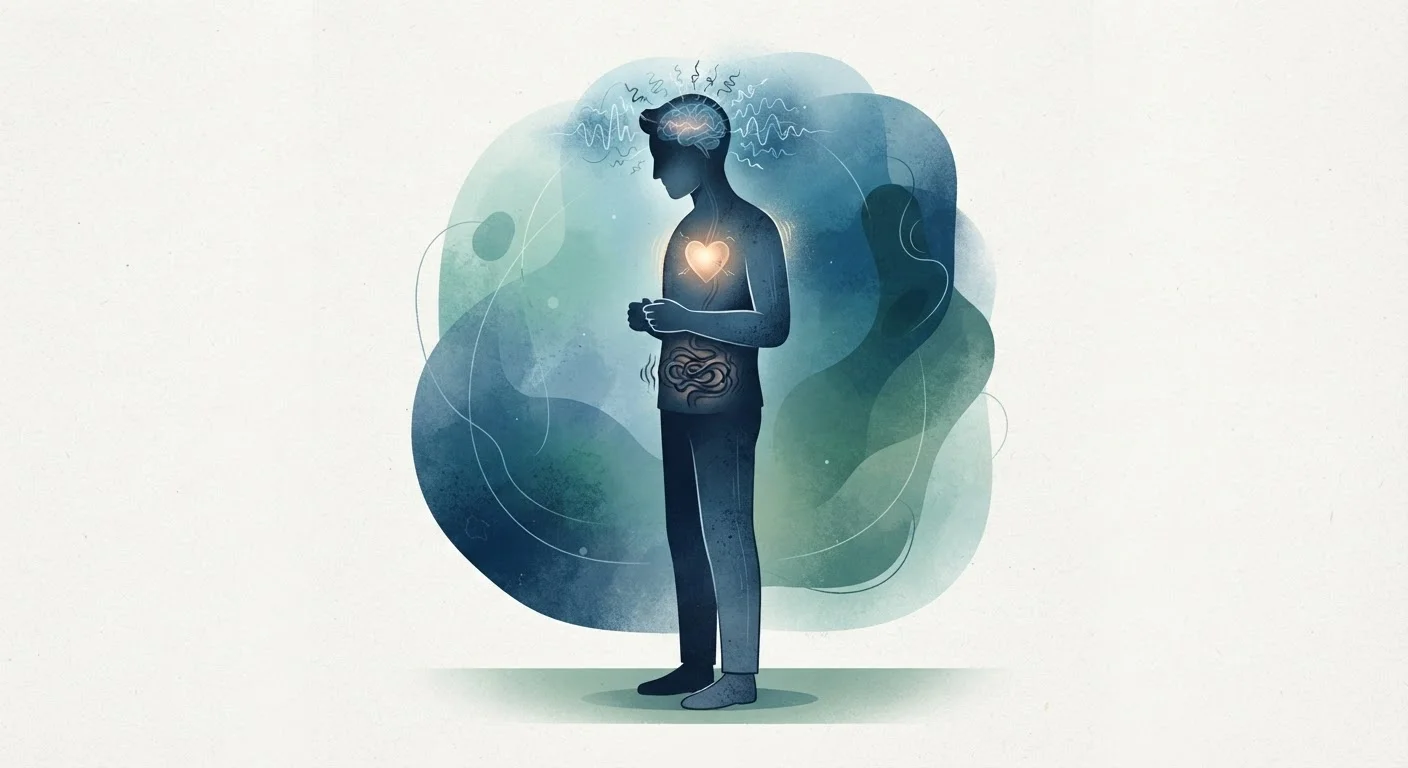
The digestive system has its own extensive nervous network, sometimes called the "second brain," and it's exquisitely sensitive to stress hormones. Chronic stress is associated with symptoms like nausea, bloating, irregular bowel habits, and worsened conditions such as irritable bowel syndrome (IBS). The gut-brain axis - a communication pathway between the digestive tract and the brain - means psychological stress registers physically in the stomach and intestines.
Sleep is another major casualty. Elevated cortisol in the evening disrupts the natural wind-down process, making it harder to fall asleep and stay asleep. Poor sleep then elevates stress further, creating a reinforcing cycle. Our guide to sleep and mental health explains how this cycle works - and how to start interrupting it.
Practical Steps Worth Taking
Understanding what stress does to the body isn't meant to create more anxiety - it's meant to motivate meaningful, manageable action. Small, consistent habits carry real physiological weight. Regular movement, even brief walks, helps metabolize stress hormones. Structured breathing exercises activate the parasympathetic nervous system, essentially telling the body it's safe to stand down.
Social connection also plays a protective role. Research in behavioral medicine consistently finds that people with strong social support show lower stress-hormone responses to difficult events. And while it may seem obvious, it's worth naming: some coping habits people reach for - like doomscrolling, skipping meals, or isolating - can quietly worsen the stress load. Our article on habits that unintentionally amplify stress is worth a read if any of those sound familiar.
For building longer-term resilience, small daily habits that support emotional resilience offers practical, evidence-informed starting points. And if you're wondering whether your stress has moved beyond typical everyday pressure, these signs may indicate it's time to talk to a professional.
This article is for general informational purposes only and is not a substitute for professional medical advice, diagnosis, or treatment. Always consult a qualified healthcare provider with questions about your health.