

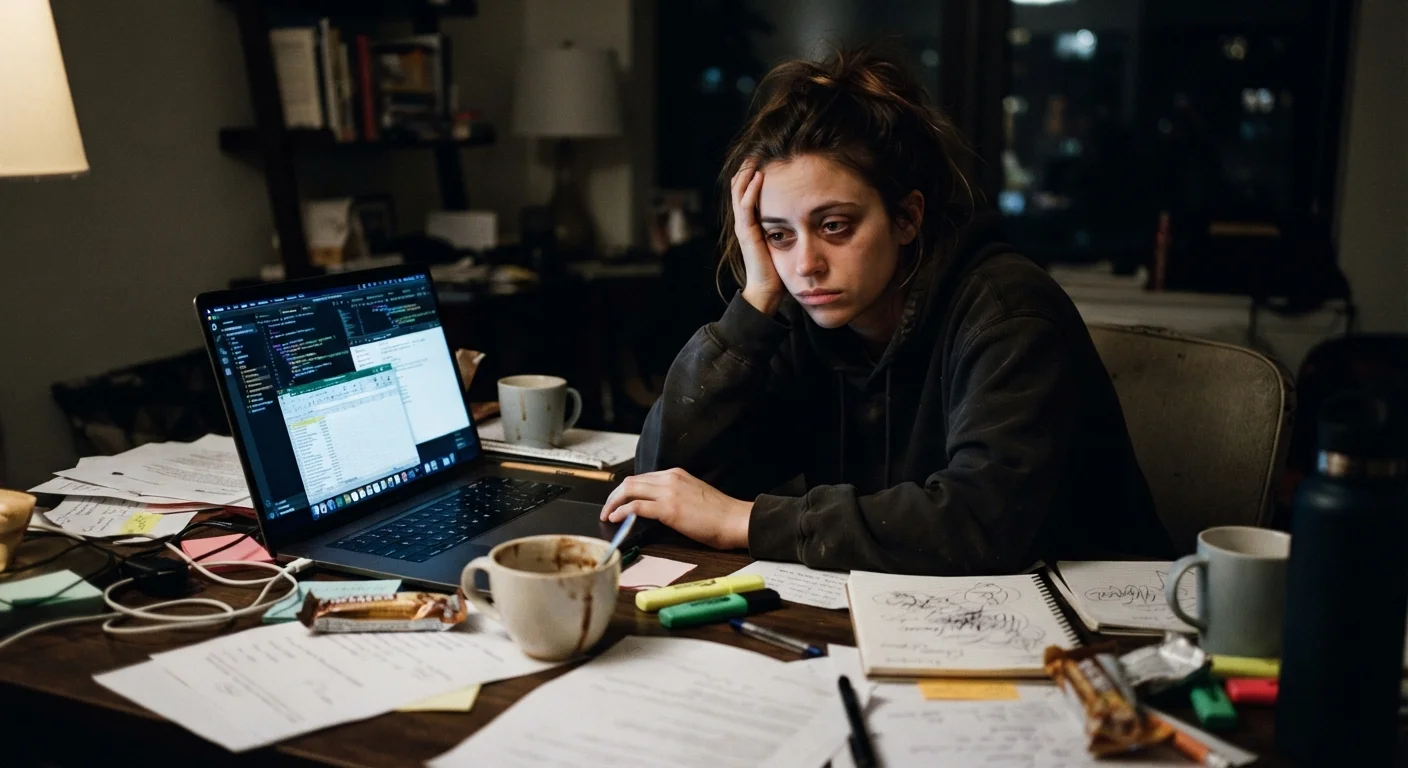
Key Takeaways
- Common coping habits like doomscrolling and venting excessively can make stress feel more intense, not less.
- Skipping meals and disrupted sleep create a physical stress response that compounds emotional strain.
- Recognizing these patterns is the first step - small, intentional adjustments can meaningfully reduce their impact.
- If stress feels unmanageable or persistent, speaking with a healthcare professional is always a reasonable next step.
Why Good Intentions Can Backfire Under Stress
Stress is a normal part of life, and most people naturally reach for behaviors that feel comforting or productive in the moment. The problem is that some of those instinctive responses can quietly fuel the very stress they're meant to ease. Understanding the mechanics behind this cycle - not to assign blame, but to recognize it - gives you a real foothold for change.
The mistakes below aren't signs of weakness or poor judgment. They're patterns that arise from normal human psychology, and most people engage in at least a few of them regularly. The goal here is awareness, not perfection.
This article is for general informational and educational purposes only. It is not a substitute for professional medical or mental health advice. If you are experiencing significant or persistent stress, please consult a qualified healthcare provider.
Doomscrolling through news or social media as a way to feel informed or in control.
Why it happens: When people feel anxious, seeking information feels productive. Continuous news feeds are also designed to hold attention, making it easy to lose track of time.
Skipping meals or relying on caffeine when overwhelmed, which disrupts blood sugar and amplifies the body's stress response.
Why it happens: When to-do lists feel endless, eating can feel like a luxury rather than a necessity. Caffeine offers a fast energy fix that fits a busy schedule.
Staying up late to get more done or to decompress, which erodes the sleep quality that makes stress manageable.
Why it happens: Evening is often the first quiet time people have, making it feel wasteful to sleep. There's also a well-documented tendency called "revenge bedtime procrastination" - staying up late to reclaim personal time.
Venting repeatedly about a stressor without moving toward any resolution or perspective shift.
Why it happens: Talking about problems feels relieving in the short term, and social support is genuinely valuable. But research suggests that excessive co-rumination - repeatedly rehashing the same worries - can deepen distress rather than dissolve it.
Avoiding movement or physical activity because stress makes it hard to find motivation.
Why it happens: Fatigue and overwhelm are real barriers. When energy feels depleted, exercise can seem like one more demand rather than relief.
Saying yes to everything to avoid conflict or to appear capable, leading to chronic overcommitment.
Why it happens: Many people equate busyness with value, or fear that declining requests will damage relationships or professional standing.
Breaking the Cycle: Practical Starting Points
Recognizing these habits is genuinely useful on its own - it removes the confusion of wondering why stress seems to persist despite your best efforts. From there, even modest changes can shift the cycle. Replacing 20 minutes of late-night news scrolling with a short wind-down routine can reduce the nervous system activation that makes sleep harder. Choosing one small movement break during a sedentary workday - as explored in everyday ways to sit less - can have a measurable effect on mood.
For a structured look at what the evidence actually supports, approaches to stress management backed by research is a grounded starting point. And if you're unsure whether what you're experiencing is typical stress or something that warrants professional attention, signs that stress has crossed into something deserving attention can help you gauge that honestly.
77%
Americans reporting physical stress symptoms
According to the American Psychological Association's Stress in America survey, a large majority of U.S. adults regularly experience physical symptoms they associate with stress.
1 in 3
Adults not getting enough sleep
The CDC has reported that roughly one in three American adults regularly get less than the recommended amount of sleep, a pattern closely linked to heightened stress reactivity.
Building small daily habits that support emotional resilience doesn't require a dramatic overhaul - it requires consistency with small, manageable actions. That's a much more achievable bar than most people set for themselves when they're already overwhelmed.