

Key Takeaways
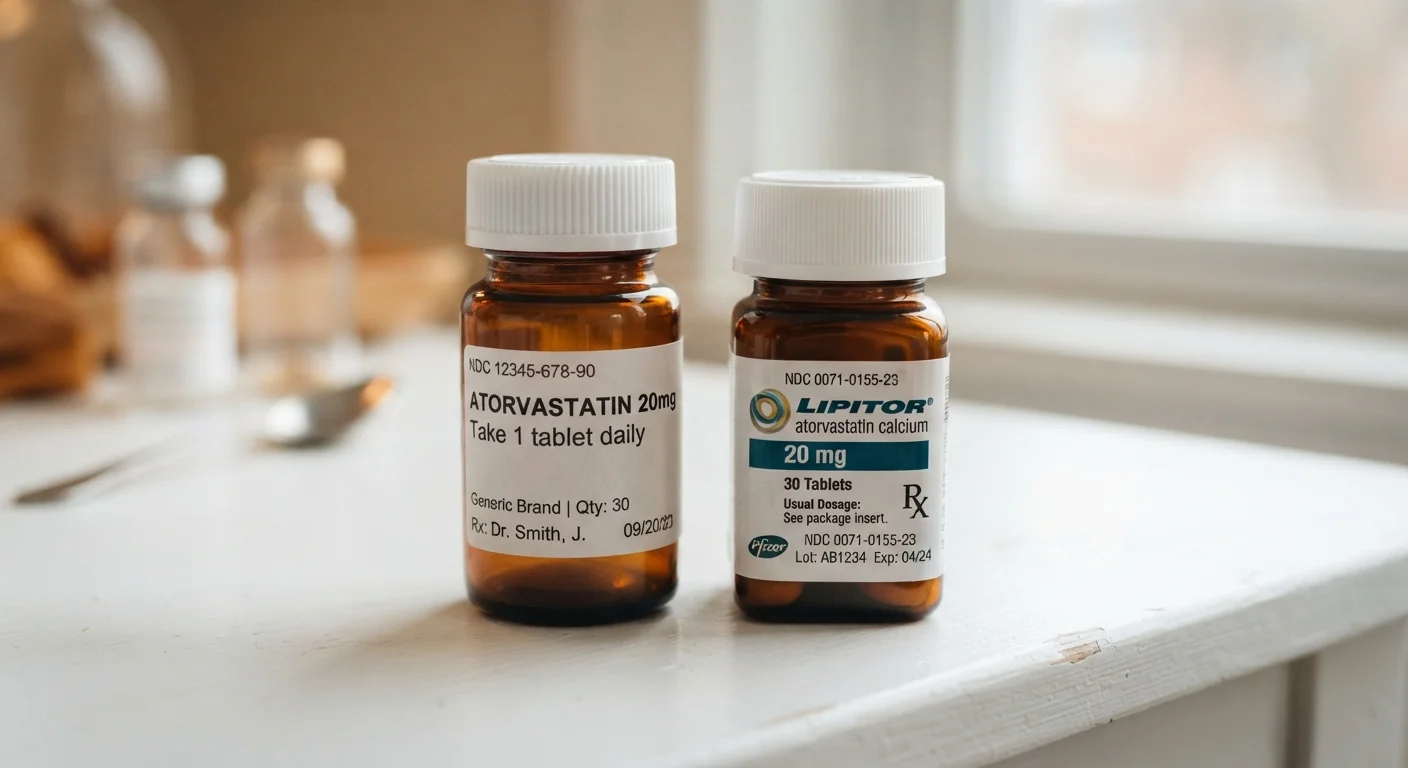
- Generic pet medications must contain the same active ingredient and dose as the brand-name version, but inactive ingredients can differ.
- The FDA Center for Veterinary Medicine regulates generic veterinary drugs, but the approval process is less standardized than for human generics.
- Some pets-particularly those with allergies or sensitivities-may respond differently to a generic due to inactive ingredient changes.
- Cost savings from generics can be meaningful, but your vet's input is essential before making any switch.
- Compounded medications are a third category distinct from both generics and brand-name drugs, with their own regulatory considerations.
- Always discuss any medication change with your veterinarian rather than substituting on your own.
Option A
Brand-Name Pet Medications
The original, extensively tested formulation.
Best for: Pets with complex conditions, sensitivities, or cases where formulation consistency is clinically critical.
Option B
Generic Pet Medications
The bioequivalent, typically lower-cost alternative.
Best for: Routine, stable conditions where the active ingredient is well-established and switching has been cleared by a vet.
If your pet has a stable, long-term condition and your vet approves a switch
Generic Pet Medications
For well-established drugs with a consistent track record, a vet-approved generic can reduce ongoing costs without compromising care.
If your pet has known ingredient sensitivities or allergies
Brand-Name Pet Medications
Inactive ingredients in generics can differ and may trigger reactions in sensitive animals; brand-name consistency reduces that risk.
If your pet is newly diagnosed and starting treatment for the first time
Brand-Name Pet Medications
Starting with the brand-name version gives your vet a known baseline to evaluate your pet's response before any substitution is considered.
If cost is a significant concern and the medication is widely available in generic form
Generic Pet Medications
With veterinary guidance, generics for common medications like antibiotics or anti-parasitics can offer real savings without meaningful trade-offs.
How Generic and Brand-Name Veterinary Drugs Are Regulated
Most pet owners know that generics exist, but fewer understand what regulatory standards actually require - and where gaps remain. For human medications, the FDA's generic drug program has clear bioequivalence standards and decades of precedent. For veterinary medications, oversight sits with the FDA's Center for Veterinary Medicine (CVM), but the pathway for generic approval is less uniform and not all drugs have been through an equivalent review process.
A generic veterinary drug must demonstrate that it delivers the same active ingredient at the same dose and in a comparable way to the body - a concept called bioequivalence. What it does not have to match are the inactive ingredients: fillers, binders, coatings, flavoring agents, and preservatives. These ingredients affect palatability, how quickly a drug dissolves, and how well a specific animal tolerates it.
Understanding this distinction is useful when you're trying to make sense of what your vet recommends - and why a direct swap isn't always straightforward. For more on navigating veterinary costs thoughtfully, see our guide on legitimate ways to reduce vet bills.
| Criterion | Brand-Name | Generic |
|---|---|---|
| Active ingredient | Original formulation | Must match brand-name |
| Inactive ingredients | Proprietary blend | May differ significantly |
| FDA CVM oversight | Full approval process | Bioequivalence review |
| Typical cost | Higher | Generally lower |
| Palatability consistency | Stable across refills | Varies by manufacturer |
| Best for sensitive cases | Preferred starting point | Use with vet guidance |
What 'Bioequivalent' Actually Means for Your Pet
Bioequivalence means that a generic drug reaches the bloodstream at a similar rate and concentration as the brand-name version, within an accepted margin. For most healthy dogs and cats on routine medications, this margin is clinically insignificant. For animals with narrow therapeutic windows - meaning conditions where slightly too much or too little of a drug causes problems - the margin matters more.
Thyroid conditions in cats are a frequently cited example. Drugs used to manage feline hyperthyroidism require fairly precise dosing, and some veterinary internists prefer to keep cats on whichever formulation they were stabilized on. Switching between brand-name and generic in these cases is typically done carefully, with follow-up bloodwork to confirm the pet remains within the target range.
~50%
Estimated generic drug cost savings vs. brand-name
Cost differences between brand-name and generic human drugs average around 50% or more according to FDA consumer reports; veterinary generics vary but often follow a similar pattern.
80-85%
Bioequivalence acceptance range used in drug review
Regulatory agencies typically require a generic drug's bioavailability to fall within 80-125% of the brand-name reference drug's levels to be considered bioequivalent.
This isn't a reason to avoid generics categorically - it's a reason to make switching decisions with your vet's involvement rather than independently. Your vet can flag which medications in your pet's regimen carry higher sensitivity to formulation changes and which don't.
Inactive Ingredients: The Part of the Label Pet Owners Often Miss
The active ingredient gets most of the attention, but inactive ingredients shape a great deal of the real-world experience - for your pet and for you. Flavoring is a practical example: a brand-name chewable may use a specific chicken or beef flavoring that a particular dog finds irresistible, while a generic uses a different formulation that the same dog refuses entirely. Non-compliance because of palatability is a real clinical problem.
Beyond taste, some inactive ingredients can cause gastrointestinal upset, allergic skin reactions, or other side effects in sensitive animals. If your pet experiences new symptoms after switching to a generic, inactive ingredients are worth discussing with your vet before assuming the active drug is the cause.
Just as reading a pet food label rewards careful attention to what's beyond the main ingredient, medication labels deserve the same scrutiny. Ask your vet or a veterinary pharmacist to walk you through the full ingredient list if your pet has known sensitivities.
Compounded Medications: A Third Category Worth Understanding
Beyond brand-name and generic options, some pets are prescribed compounded medications - drugs mixed by a compounding pharmacy to a specific formulation, dose, or delivery format not commercially available. Compounded medications are common for cats that require very small doses, for animals that need a transdermal gel instead of a pill, or for species where commercial options simply don't exist.
Compounded veterinary drugs are regulated differently from both brand-name and generic medications. They are not FDA-approved in the same sense; instead, they operate under a different legal framework, and quality can vary between compounding pharmacies. If your pet is prescribed a compounded medication, it's reasonable to ask your vet why compounding is necessary and whether the pharmacy they recommend is accredited by a recognized veterinary compounding body.
Understanding the full range of medication options is part of being an informed advocate at your pet's appointments. For a broader view of what those appointments involve, our article on your pet's annual wellness visit explains how to make the most of time with your vet.
What About Over-the-Counter Pet Medications?
Some pet medications - including certain flea and tick treatments and dewormers - are available over the counter without a prescription. These products are regulated differently from prescription veterinary drugs and may not carry the same level of clinical evidence. Before using any OTC product alongside a prescribed medication, check with your veterinarian to avoid potential interactions or duplications in treatment.
This article provides general educational information about veterinary medications and is not a substitute for professional veterinary advice. Always consult your veterinarian before starting, stopping, or changing your pet's medications.