

Key Takeaways
- Several stress management strategies have meaningful research support, though individual results vary.
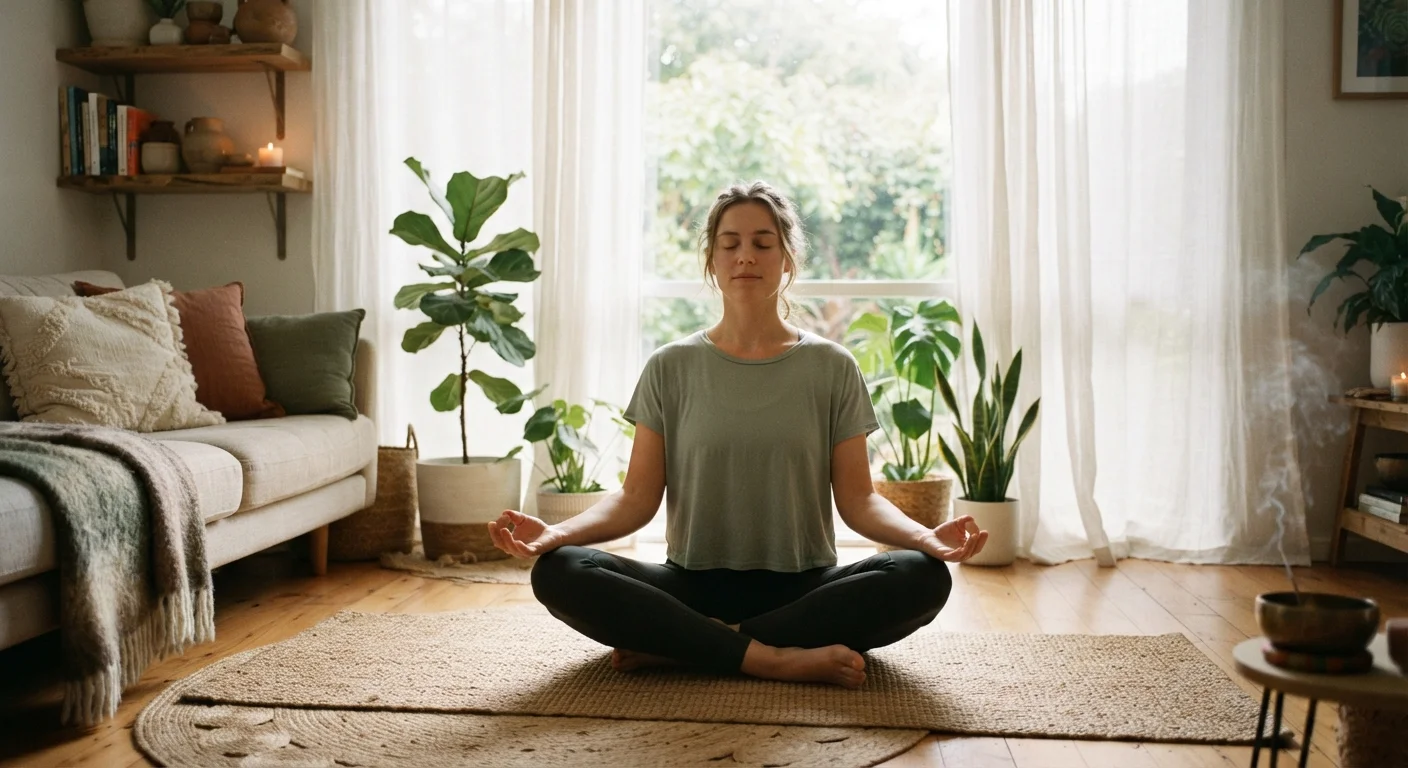
- Breathing techniques and mindfulness can activate the body's relaxation response relatively quickly.
- Cognitive reframing helps change how you interpret stressors, not just how you react to them.
- Regular physical movement is one of the most consistently supported stress-reduction tools available.
- Social connection and professional support remain important, underused resources for managing chronic stress.
Why Stress Management Deserves a Serious Look
Stress is a universal human experience - but not all stress is alike, and not all responses to it are equally effective. Short-term stress can be adaptive, helping the body mobilize energy and focus. Chronic stress, however, is a different matter. As described in our overview of what prolonged stress does to your body, the cumulative effects touch nearly every system, from cardiovascular health to immune function.
The good news is that a meaningful body of research supports several practical strategies for managing stress more effectively. None of these are magic solutions, and individual responses vary - but they are not just folk wisdom, either. This article walks through the key approaches, what the evidence generally shows, and how to start using them without overhauling your life.
This Is General Information, Not Medical Advice
The strategies described here are supported by general research and are intended for educational purposes only. If stress is significantly affecting your daily functioning, relationships, sleep, or physical health, please speak with a qualified healthcare or mental health professional. This article is not a substitute for personalized evaluation or treatment.
Evidence-Backed Practices Worth Knowing
The following practices draw on research from health psychology, behavioral medicine, and clinical practice. They range from techniques you can use in the moment to longer-term habits that build capacity over time. Integrating even a few consistently tends to produce more benefit than applying many sporadically.
Practice slow, diaphragmatic breathing when stress feels acute.
Controlled breathing directly engages the parasympathetic nervous system - sometimes called the 'rest and digest' system - which counteracts the stress response. Research published in health psychology literature consistently links slow breathing exercises to measurable reductions in cortisol and perceived stress. It requires no equipment and can be used anywhere.
Use mindfulness-based practices to stay grounded in the present moment.
Mindfulness-Based Stress Reduction (MBSR), developed at the University of Massachusetts Medical School, has been studied extensively and is associated with reductions in anxiety, rumination, and perceived stress. It works by training attention rather than asking you to suppress thoughts or emotions. Even informal mindfulness - such as focusing fully on a single task - builds this capacity over time.
Apply cognitive reframing to shift how you interpret stressful situations.
Cognitive reframing, a core component of Cognitive Behavioral Therapy (CBT), involves recognizing unhelpful thought patterns and examining whether they accurately reflect reality. Because stress is partly a product of perception, changing interpretation can measurably change the physiological stress response. CBT is one of the most rigorously studied psychological interventions in existence.
Incorporate regular moderate physical activity into your routine.
Exercise is among the most consistently supported stress-management tools across research literature. It reduces circulating stress hormones, supports better sleep, and promotes the release of endorphins. The American Psychological Association notes that even brief bouts of movement can improve mood and reduce tension. It does not require intense workouts to be effective.
Prioritize quality sleep as an active part of your stress management strategy.
Sleep deprivation amplifies emotional reactivity and impairs the brain's ability to regulate stress responses effectively. The relationship between sleep and stress is bidirectional - stress disrupts sleep, and poor sleep intensifies stress - making sleep hygiene a genuine intervention point. Consistent sleep and wake times, reduced screen exposure before bed, and a cool sleeping environment are well-supported practices.
Lean on social connection and seek professional support when needed.
Social support is a well-documented buffer against the health effects of chronic stress. Talking through stressors with trusted people can reduce the cognitive load of carrying them alone. For persistent or overwhelming stress, mental health professionals - including therapists trained in evidence-based approaches - offer structured tools that self-help strategies cannot fully replace.
For a broader view of how daily habits compound over time, see our guide on small daily habits that support emotional resilience.
Starting Small: Quick Wins You Can Use Today
Research consistently finds that small, consistent actions tend to outperform large, irregular ones when it comes to managing stress. The practices above may seem straightforward, but they work best when they become part of routine rather than emergency responses. Starting with just one or two concrete actions lowers the barrier significantly.
It's also worth being aware of common habits that can quietly make stress worse. Our article on ways people unintentionally make stress worse covers patterns like doomscrolling and skipping meals that are easy to overlook.
“It's not stress that kills us; it is our reaction to it. Learning to respond rather than react is the cornerstone of effective stress management.”
— Hans Selye, Endocrinologist and pioneering stress researcher
Stress management is not about eliminating difficulty - it's about building the tools to move through it more effectively. For anyone looking for a broader foundation, our comprehensive mental wellness overview covers stress alongside sleep, emotions, and when professional help makes sense.
This article is for general informational and educational purposes only and does not constitute medical or mental health advice. If you are experiencing significant or persistent stress, anxiety, or related symptoms, please consult a qualified healthcare or mental health professional for personalized guidance.