

Key Takeaways
- Over 70% of Americans' sodium intake comes from packaged and restaurant foods, not table salt.
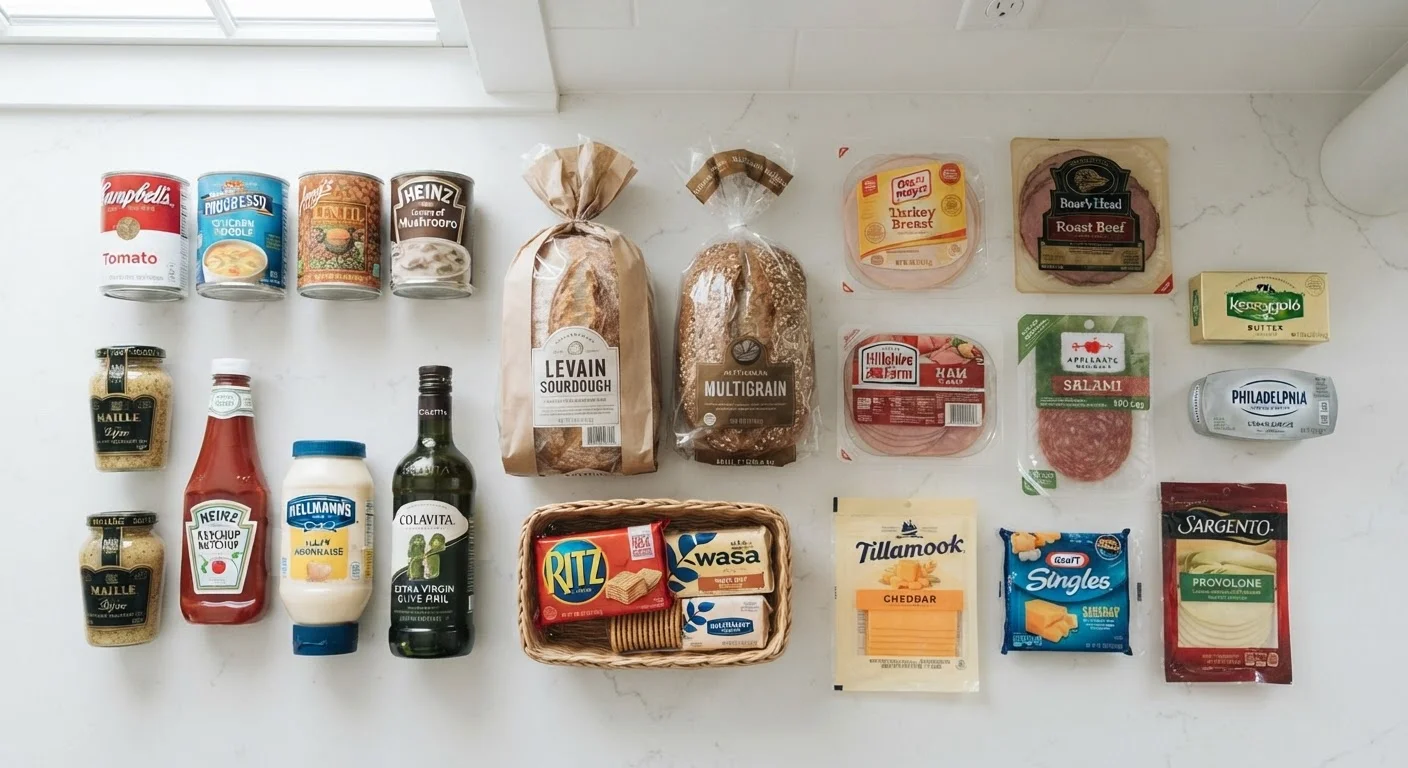
- Bread, deli meat, and canned soups are among the highest sodium contributors in the average American diet.
- Sodium compounds beyond 'salt' - like monosodium glutamate and sodium nitrate - add up quickly on ingredient lists.
- Comparing sodium per serving across brands can reveal significant differences in the same food category.
- Rinsing canned beans and vegetables can reduce their sodium content by up to 40%.
Why the Salt Shaker Isn't Your Biggest Problem
Many people trying to reduce their sodium intake focus on putting down the salt shaker at the dinner table. While that's not a bad habit, it addresses only a small fraction of the problem. According to the U.S. Centers for Disease Control and Prevention (CDC), roughly 70% of the sodium Americans consume comes from processed, packaged, and restaurant foods - not from salt added during cooking or at the table.
The Dietary Guidelines for Americans recommend limiting sodium to no more than 2,300 milligrams (mg) per day for most adults. Yet the average American consumes closer to 3,400 mg daily. That gap is almost entirely explained by sodium embedded in everyday foods before they ever reach your kitchen. Understanding where it hides is the first step to managing your intake more effectively.
This article is for general informational purposes only and is not a substitute for personalized medical or dietary advice. If you have a health condition that requires sodium management, consult a qualified healthcare professional.
Common Mistakes People Make When Tracking Sodium
Most people underestimate their sodium intake because they're looking in the wrong places or misreading the information available to them. These mistakes are easy to make - and easy to correct once you know what to watch for.
Assuming 'healthy-sounding' foods are low in sodium.
Why it happens: Foods marketed as 'natural,' 'organic,' or 'whole grain' carry a health halo that can lead consumers to skip checking the label. These labels describe specific attributes but say nothing about sodium content.
Ignoring serving size when evaluating sodium content.
Why it happens: Manufacturers sometimes list a small, unrealistic serving size, which makes the sodium number look more manageable than it is in practice.
Overlooking sodium under ingredient names other than 'salt.'
Why it happens: Sodium appears in many forms on ingredient lists - monosodium glutamate (MSG), sodium bicarbonate (baking soda), sodium nitrate, disodium phosphate - and shoppers often don't connect these to their sodium budget.
Underestimating restaurant and takeout sodium.
Why it happens: Restaurant meals aren't required to display sodium information as prominently as packaged goods, so diners rarely think to look. Portion sizes are also larger, compounding the issue.
Not rinsing canned beans and vegetables before use.
Why it happens: Most people aren't aware that the liquid in canned goods carries a substantial portion of the sodium, or that draining and rinsing can reduce it meaningfully.
For a deeper look at how to decode the full nutrition facts panel - including serving sizes, percent daily values, and more - see our guide to reading a nutrition label.
The Surprising Foods That Deliver the Most Sodium
The American Heart Association identifies a group of foods - sometimes called the 'salty six' - that account for a disproportionate share of Americans' sodium intake. These aren't exotic processed foods; they're everyday staples.
70%+
Sodium from processed and restaurant foods
The CDC estimates that more than 70% of Americans' daily sodium intake comes from packaged, processed, and restaurant foods rather than home cooking or table salt.
3,400 mg
Average daily sodium intake for U.S. adults
This figure, reported by the CDC, is roughly 1,100 mg above the 2,300 mg daily limit recommended in the Dietary Guidelines for Americans.
~40%
Sodium reduction from rinsing canned beans
Studies in nutrition science journals indicate that draining and rinsing canned legumes can cut their sodium content by around 40%, a simple no-cost strategy.
- Bread and rolls: A single slice of commercial bread can contain 100-230 mg of sodium. Because most people eat multiple slices daily, this adds up faster than expected.
- Deli and cured meats: A two-ounce serving of deli turkey can contain 400-600 mg of sodium. Processing and preservation methods account for the high sodium content.
- Canned soups: A standard can of condensed soup, prepared as directed, can deliver 800-1,500 mg of sodium in a single bowl - more than half the daily recommended limit.
- Pizza: Between the crust, sauce, cheese, and toppings, a couple of slices can deliver 1,000 mg or more.
- Condiments and sauces: Soy sauce, ketchup, salad dressings, and hot sauce are concentrated sodium sources that are easy to use in large quantities.
Restaurant Meals Can Exceed Your Daily Limit in One Sitting
A single restaurant entrée - particularly pasta dishes, soups, or sandwiches - can contain 1,500-3,000 mg of sodium or more, potentially meeting or exceeding the entire recommended daily limit before dessert or drinks. This isn't a reason to avoid eating out, but it's worth factoring into your overall day. If you know a meal will be high in sodium, focusing on lower-sodium choices at other meals that day can help balance intake. Always discuss specific sodium targets with your healthcare provider, especially if you have a related health condition.
Being a label-savvy shopper takes practice, and food manufacturers don't always make it easy. Our article on practical nutrition strategies for busy schedules offers realistic approaches that fit into a full life.