

Key Takeaways
- Painting over cracks does not seal them; proper repair requires filling and priming before any paint is applied.
- Bleach kills surface mold but does not address the moisture source causing regrowth.
- HVAC filters often need changing more frequently than the once-a-year myth suggests.
- Caulking and weatherstripping are low-cost fixes that deliver measurable energy savings.
- Many maintenance 'shortcuts' delay the inevitable and make eventual repairs more expensive.
Why Maintenance Myths Are So Persistent-and Costly
Home maintenance advice gets passed down through neighbors, online forums, and well-meaning relatives. Some of it holds up. A lot of it doesn't. The problem is that myths often contain just enough truth to sound plausible-and by the time homeowners discover the gap, they've already spent money on ineffective fixes or allowed small problems to grow into expensive repairs.
This article tackles the most common and costly misconceptions so you can spend your maintenance dollars where they'll actually do something. For a broader look at building your routine, see what maintenance actually looks like in year one.
Myth
Painting over a crack seals it and stops it from spreading.
Fact
Paint fills the surface appearance of a crack but does nothing to stabilize the underlying material or prevent moisture infiltration.
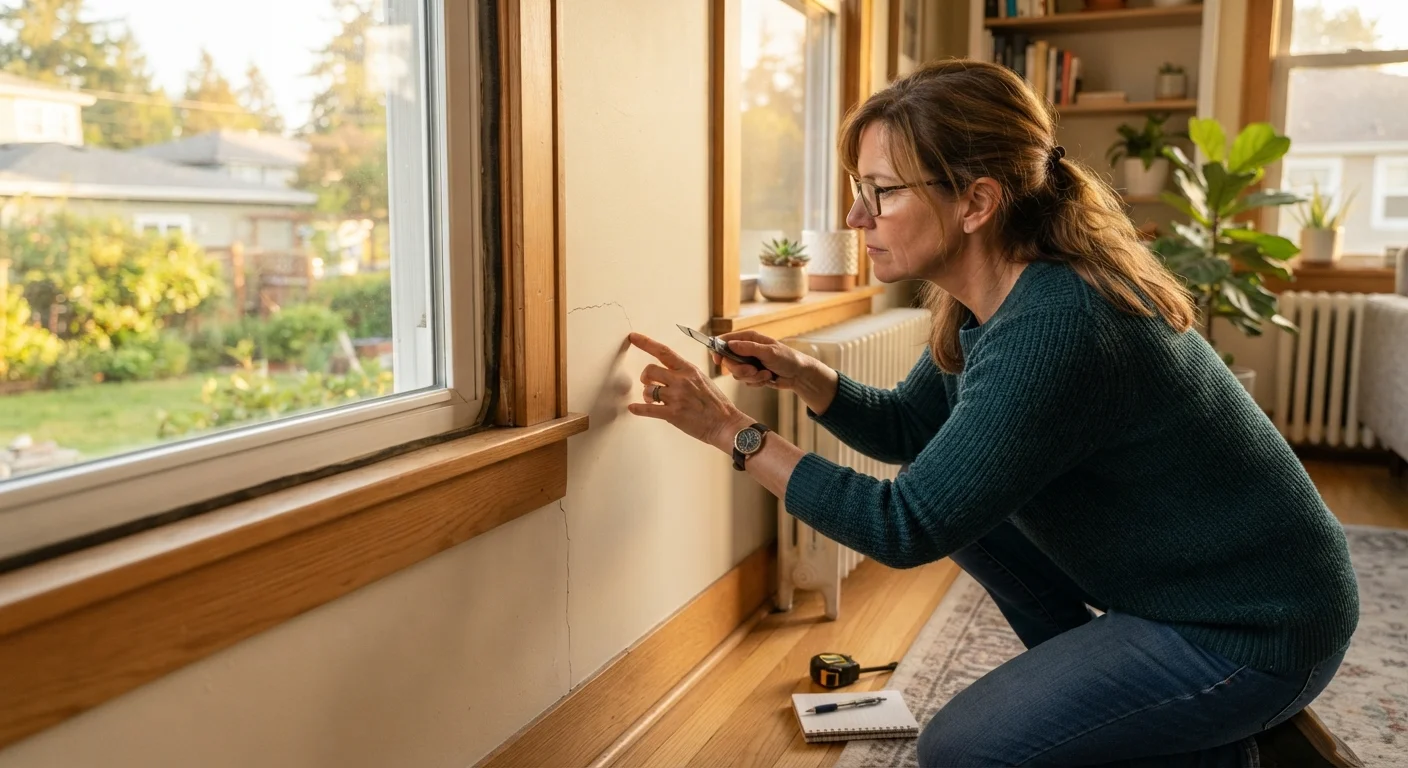
Cracks in drywall, stucco, or masonry form because of movement, settling, or moisture cycling in the substrate. Paint is flexible to a degree, but it cannot bond a crack shut or stop it from reopening. Without cleaning the crack, applying an appropriate filler or patching compound, and priming the area, paint will simply crack again-often within one season. Worse, painted-over cracks can trap moisture behind them, accelerating mold growth and material degradation.
Myth
Bleach is the definitive solution for any mold problem in your home.
Fact
Bleach can kill surface mold on non-porous materials, but it does not penetrate porous surfaces and does nothing to eliminate the moisture source causing mold growth.
Mold needs moisture to survive. Spraying bleach on a moldy drywall section or wood stud will temporarily reduce surface discoloration, but the fungal roots (hyphae) that penetrate porous materials are largely unaffected. More importantly, if the humidity source-a slow plumbing leak, condensation from inadequate ventilation, or a grading problem outside-isn't corrected, mold will return regardless of how many times you clean the surface. Persistent or large-scale mold (generally over 10 square feet) warrants professional assessment. Always improve ventilation and address moisture sources first.
Myth
You only need to change your HVAC filter once a year.
Fact
Most homes need filter changes every one to three months, depending on filter type, pets, and dust levels.
A clogged filter forces your HVAC system to work harder, reducing efficiency and shortening equipment life. Standard 1-inch fiberglass filters typically require replacement monthly; higher-MERV pleated filters can last two to three months. Homes with pets or allergy sufferers generally need more frequent changes. Running on a dirty filter is one of the easiest ways to inflate energy bills and invite preventable system repairs-yet the once-a-year myth persists because it's easy to remember. Check your filter monthly until you learn your home's actual accumulation rate.
Myth
Caulk and weatherstripping are minor cosmetic upgrades that don't meaningfully reduce energy costs.
Fact
Air sealing through caulk and weatherstripping is among the highest-return, lowest-cost weatherization measures available to homeowners.
The U.S. Department of Energy has long identified air leaks around windows, doors, and penetrations as a primary source of energy loss in residential buildings. Gaps that seem trivial individually-around window frames, door thresholds, pipe penetrations-collectively allow substantial conditioned air to escape year-round. Caulk costs a few dollars per tube and takes minimal skill to apply correctly. Weatherstripping is similarly affordable. Neither requires permits or professional installation in most cases, and both deliver returns through lower heating and cooling bills across every subsequent season.
Myth
If your roof isn't visibly leaking, it doesn't need inspection.
Fact
Roof damage-cracked flashing, missing granules, deteriorating shingles-often causes interior moisture intrusion well before a visible drip appears.
By the time water stains appear on a ceiling, moisture has typically already saturated insulation, and potentially begun affecting sheathing or framing. Proactive roof inspections-ideally once or twice yearly and after major storms-catch flashing failures, lifted or cracked shingles, and deteriorated sealant around vents and skylights before they translate into interior damage. A professional inspection is worthwhile every few years; homeowners can safely do basic visual checks from the ground using binoculars, looking for missing, curled, or granule-bare shingles.
Myth
Running hot water while using the garbage disposal helps grease move through the drain.
Fact
Hot water liquefies grease temporarily, but it re-solidifies further down the pipe, contributing to blockages.
The correct approach is to run cold water-not hot-during and after disposal use. Cold water keeps fats solidified so the disposal can chop them into small particles that flush more cleanly through the drain. Hot water keeps grease liquid as it exits the disposal, allowing it to coat and accumulate on pipe walls where it cools and hardens into stubborn clogs. For general drain health, minimizing the amount of fats and fibrous material sent through the disposal is more effective than any water temperature strategy.
The Myths That Hurt Your Wallet Most
Some myths cost an afternoon of wasted effort. Others quietly allow moisture intrusion, air leaks, or structural damage to compound over months. The following misconceptions fall into that second, more damaging category.
25-30%
Home energy lost through air leaks
The U.S. Department of Energy estimates that air leaks account for roughly 25-30% of heating and cooling energy use in a typical home.
$300-$600
Estimated annual HVAC savings from regular filter changes
The U.S. Department of Energy notes that replacing a clogged HVAC filter with a clean one can lower air conditioner energy consumption by 5-15%, translating to meaningful annual savings depending on system size and utility rates.
1 in 5
Homes with significant moisture or mold issues
Estimates from indoor air quality research suggest roughly one in five U.S. homes has conditions that support mold growth, often tied to unaddressed moisture sources rather than inadequate surface cleaning.
A particularly expensive belief is that any single product-bleach, spray foam, paint-can serve as a universal fix. In practice, the right repair almost always starts with diagnosing the source, not just treating the symptom. Pair this thinking with a consistent seasonal plan; weatherizing your home season by season is a useful complement to routine upkeep.
Not every maintenance task needs a contractor, but knowing the difference between DIY-appropriate jobs and work that warrants a licensed professional can prevent safety risks and costly mistakes. For a balanced take, see honest trade-offs every homeowner should weigh before going DIY.
Don't Confuse Cosmetic Fixes for Structural Repairs
Caulk, paint, and foam sealants are useful tools-but they are not substitutes for addressing underlying structural, moisture, or foundation problems. Applying surface treatments to symptoms of deeper issues can mask warning signs, making eventual professional diagnosis more difficult and costly. When in doubt about the origin of a crack, stain, or gap, have it assessed before attempting any patch.
And don't overlook what's often neglected: clogged gutters, for example, are regularly dismissed as a cosmetic issue when they're actually a leading cause of foundation and fascia damage. Learn what actually happens inside neglected gutters over time. Similarly, many preventive measures cost far less than the repairs they prevent-low-cost maintenance tasks that prevent high-cost repairs outlines the most impactful ones.