

Key Takeaways
- Most high-cost home repairs begin as small, ignored problems that routine maintenance could have caught early.
- Tasks like caulking, dryer vent cleaning, and grading cost little but protect against water damage and fire hazards.
- A consistent maintenance schedule - even a simple written log - significantly reduces long-term repair expenses.
- Many of these tasks take under an hour and require only basic tools most homeowners already own.
- Knowing which tasks to DIY and when to call a pro is itself a money-saving skill.
Why Small Tasks Have Outsized Consequences
The most expensive home repairs rarely arrive without warning. Water damage behind a wall, a dryer fire, a cracked foundation - these disasters almost always have a humble origin: a neglected seam, a clogged vent, soil that gradually shifted over the years. The frustrating part is that the fix, had it happened earlier, would have cost almost nothing.
This list focuses on routine upkeep tasks that are genuinely low-cost and low-skill, yet consistently prevent damage that runs into hundreds or thousands of dollars. None of these require a contractor. Most require an afternoon and basic hardware. The goal is to give you a practical framework - not just a checklist - so you understand why each task matters and what you're actually protecting against.
For a broader look at how timing affects the value of these tasks, see our season-by-season weatherizing guide. And if you want to track what you've done, a home maintenance log is one of the simplest tools you can add to your routine.
Caulk windows, doors, and tub surrounds annually
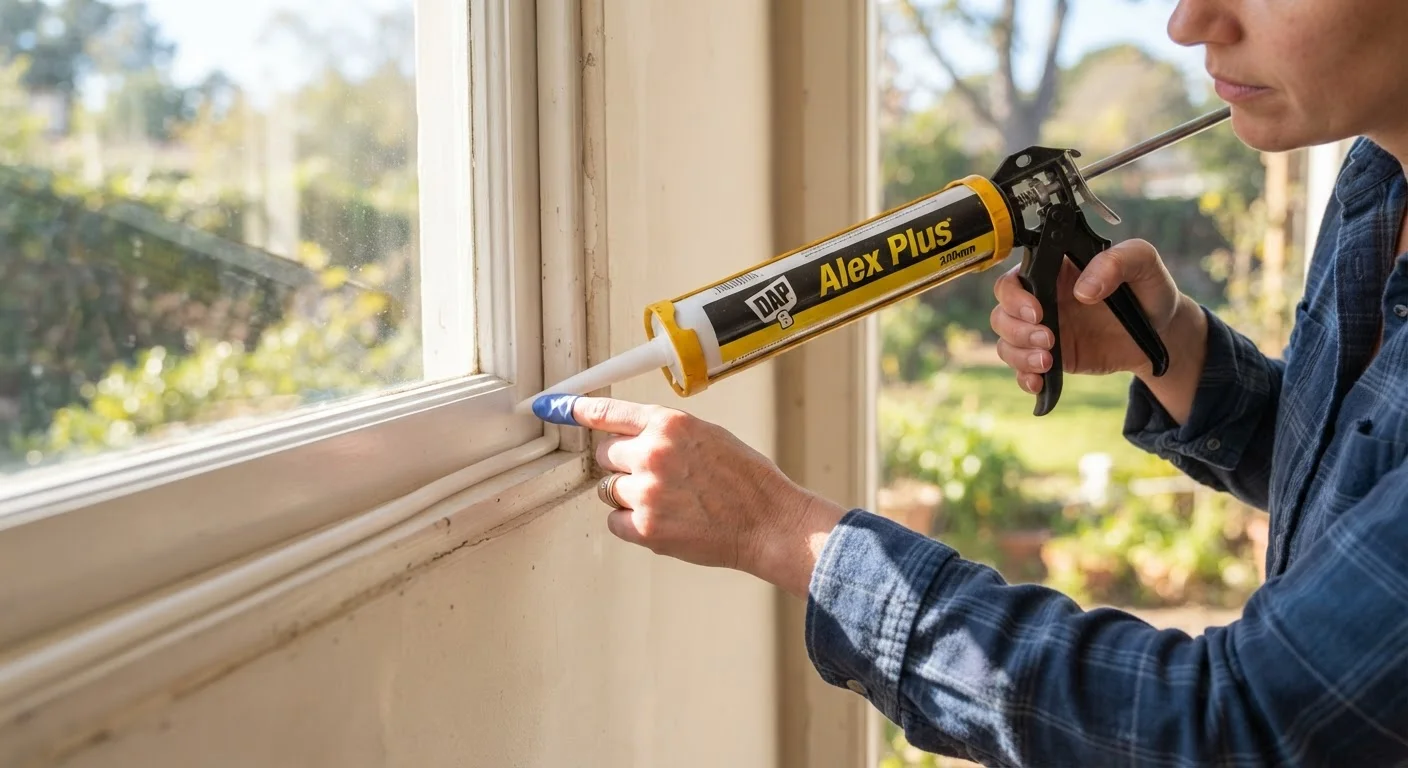
Caulk is the unsung hero of home protection. When the flexible sealant around windows, exterior door frames, and bathroom fixtures ages, it cracks, shrinks, and pulls away - creating gaps that allow water, air, and even insects to enter. A tube of quality paintable or silicone caulk costs a few dollars, and applying it takes less than an hour with a basic caulk gun.
Why it matters: water infiltrating around a window can rot the surrounding framing, damage drywall, and eventually invite mold - repairs that can run into the thousands. In bathrooms, a failed caulk bead around a tub or shower allows water to seep behind tile and into the subfloor. Subfloor damage is expensive and disruptive to fix. Check and refresh caulk wherever two different materials meet, especially in wet areas.
A few dollars of caulk each year can prevent thousands in water and mold damage.
Clean the dryer vent from end to end
Lint buildup inside the dryer vent duct - not just the lint trap - is a leading cause of residential fires and dramatically reduces dryer efficiency. Over time, lint accumulates in the flexible or rigid duct that runs from the dryer to the exterior vent opening. Once a year, disconnect the duct from the back of the dryer and use a long-handled dryer vent brush kit (widely available at hardware stores) to clear the full length.
Signs you're overdue: clothes taking two cycles to dry, a dryer that feels unusually hot to the touch, or a vent flap that no longer opens freely when the dryer runs. This task costs almost nothing in materials and can be completed in about 30 minutes. The alternative - a dryer fire - causes an estimated average of hundreds of millions of dollars in property damage nationally each year, according to federal fire safety data.
Dryer vent cleaning takes 30 minutes and guards against one of the most preventable household fires.
Correct the grading around your foundation
The ground immediately surrounding your home should slope away from the foundation - typically at least 6 inches of drop over the first 10 feet. When soil settles, erodes, or was never properly graded, rainwater flows toward the foundation instead of away from it. Over time, this causes hydrostatic pressure that can crack foundation walls, lead to basement flooding, and promote mold growth in crawlspaces.
Re-grading is mostly a shovel-and-soil job. Adding compacted fill dirt and sloping it away from the house is well within DIY territory for most homeowners. Inspect after heavy rain: if you notice water pooling against the house or running toward the foundation, that's a clear signal to address grading now rather than after a wet season causes damage.
Proper grading is one of the most cost-effective ways to protect your foundation long-term.
Clean gutters and downspouts at least twice a year
Gutters exist to direct rainwater away from your roof, walls, and foundation. When they're clogged with leaves and debris, water backs up under roofing material, overflows against siding, and spills at the foundation - hitting multiple vulnerable systems at once. The damage that follows clogged gutters can include wood rot, fascia failure, basement flooding, and pest entry points.
Clean gutters in late fall after leaves drop and again in late spring. While you're at it, confirm that downspouts extend at least 4-6 feet from the foundation and discharge away from the house. Extending a downspout with a flexible elbow piece costs just a few dollars and takes minutes to install.
Gutters cleaned twice a year protect your roof, siding, and foundation simultaneously.
Flush the water heater annually
Sediment - primarily mineral deposits from hard water - accumulates at the bottom of a traditional storage-tank water heater over time. This sediment layer forces the heating element or burner to work harder, reduces efficiency, and shortens the unit's lifespan. Annual flushing clears the buildup before it causes damage.
To flush: connect a garden hose to the drain valve at the base of the heater, run it to a floor drain or outside, turn off the cold-water supply, and open the valve to drain sediment-laden water. Always follow the manufacturer's instructions for your specific unit, and note that water in the tank will be very hot - allow it to cool or take appropriate precautions. If your home has a tankless water heater, the maintenance process differs; our comparison of tankless versus traditional water heater maintenance explains what that routine looks like.
Annual flushing extends a water heater's life and keeps energy costs from quietly climbing.
Test and replace GFCI outlets and smoke detector batteries
Ground fault circuit interrupter (GFCI) outlets - the ones with the test and reset buttons, typically found in bathrooms, kitchens, and garages - protect against electrical shock near water sources. They can fail silently over time. Press the test button monthly; if the outlet doesn't cut power, or the reset button won't restore it, the outlet should be replaced. A replacement GFCI outlet is inexpensive, but installation involves electrical work - if you're not comfortable working inside electrical boxes, this is a task to hand to a licensed electrician.
Smoke detectors should have their batteries replaced annually (or use 10-year sealed units) and be tested monthly. Detectors older than 10 years should be replaced entirely, as sensor sensitivity degrades with age. Carbon monoxide detectors follow similar replacement timelines. These are literal life-safety devices, and the cost of fresh batteries or a new unit is negligible against what they protect.
A monthly button-press on GFCI outlets and smoke detectors is the lowest-effort safety check in your home.
Build the Habit, Protect the Investment
None of these tasks demand perfection - they demand consistency. A tube of caulk applied every few years, a dryer vent brushed out annually, gutters cleared each fall: these small acts compound into genuinely meaningful protection for your home. The cost of the supplies is typically a rounding error compared to what deferred maintenance eventually demands.
Track What You've Done
Consider keeping a simple written or digital log of every maintenance task you complete - date, what was done, and any materials used. This record helps you stay on schedule, identify patterns (like a seal that keeps failing), and provides useful documentation if you sell your home. It takes almost no time to maintain and consistently pays dividends.
If you're ever unsure whether a task is safely within DIY territory, our guide on DIY versus hiring a pro offers a clear decision framework. And before you start, it's worth reviewing common maintenance myths - some widely repeated advice can actually lead to wasted effort or new damage.