

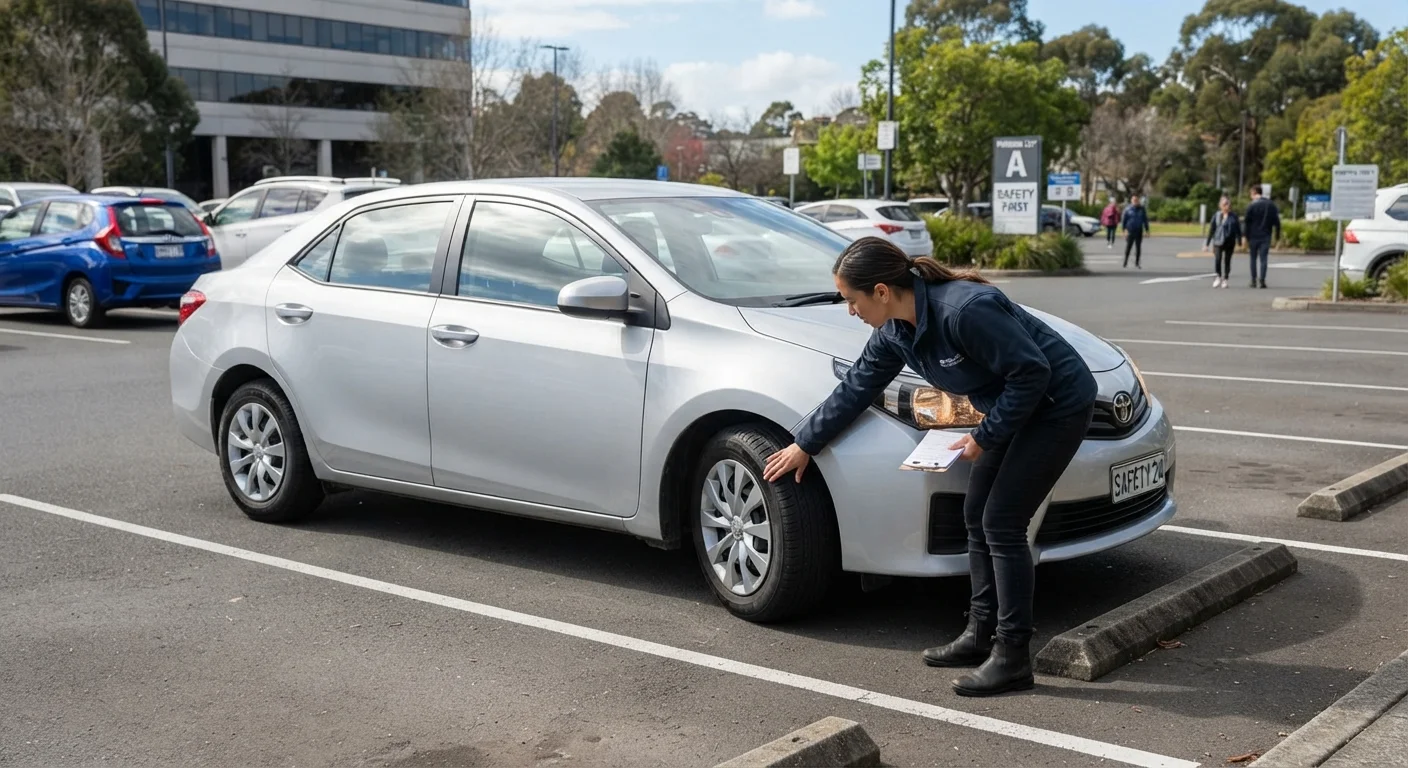
Key Takeaways
- A quick pre-trip check takes less than 15 minutes and can prevent roadside breakdowns.
- Tire pressure, fluid levels, and lights are the most commonly neglected safety items.
- Catching small problems early almost always costs less than repairing the damage they cause.
- Dashboard warning lights should never be ignored before starting a drive.
- A physical walk-around catches issues that sensors and warning lights may not flag.
Summary
18 items · 5-15 minutes
Why a Pre-Trip Check Is Worth Your Time
Most vehicle breakdowns and a significant share of accidents are linked to conditions that were already present before the driver left home - low tire pressure, a burnt-out headlight, or fluid that had been leaking for days. A pre-trip vehicle check is not about paranoia; it's about spending five to fifteen minutes now to avoid spending hours - and potentially hundreds or thousands of dollars - later.
Think of it the way a pilot thinks about a pre-flight checklist: not because something is likely wrong, but because catching the rare problem before takeoff is far better than discovering it mid-journey. The same logic applies to your car, whether you're driving across town or across several states.
This checklist pairs well with seasonal car care checks, which address conditions that shift with the weather. Use both together for comprehensive vehicle readiness.
Exterior Walk-Around
Under the Hood
Interior and Controls
Emergency Preparedness
Tools and Supplies to Keep On Hand
You don't need a mechanic's toolbox to run an effective pre-trip check. The items below are low-cost and easy to store in your trunk or glove compartment. Having them ready means you can address minor issues on the spot rather than making a separate trip to a shop.
Tire Pressure Gauge
Measures exact tire pressure so you can confirm inflation matches the vehicle manufacturer's recommended range.
Tread Depth Gauge or Quarter
Gives a quick read on remaining tire tread to flag tires that may be unsafe for highway driving.
Flashlight or Smartphone Light
Illuminates the underside of the vehicle and engine bay in low-light conditions so you can spot leaks or worn components.
Microfiber Cloth
Useful for wiping the oil dipstick cleanly before re-inserting it to get an accurate reading.
Fluid Top-Off Supplies
Keeping a small container of windshield washer fluid and the correct engine oil grade in the trunk lets you address low levels on the spot.
For a deeper look at what your fluid reservoirs contain and what color or smell signals a problem, see our guide to car fluids every driver should be able to identify.
How to Use This Checklist
Work through the checklist groups in order - starting outside the car, then moving inside. The exterior walk-around takes about three to five minutes and catches the most common issues: tire condition, lights, and obvious leaks under the vehicle. The interior and under-hood checks add a few more minutes but give you confidence in the systems that matter most at highway speeds.
Long Trips Require Extra Attention
For road trips or drives of several hundred miles, complete this checklist the evening before departure - not just minutes before you leave. This gives you time to address any issues at a shop rather than scrambling at the last minute. For extended trips, also consider having a mechanic verify belts, hoses, and battery condition if your vehicle is older or has higher mileage. Our guide to pre-winter inspections covers additional checks relevant to cold-weather driving.
If you notice a dashboard warning light during your interior check, don't dismiss it. Our article on what dashboard warning lights are actually telling you explains which signals are urgent and which allow time to schedule a service appointment. Similarly, if your check engine light is on, it's worth understanding the likely cause before you drive.
Never Ignore Brake or Steering Concerns
If you notice a spongy or low brake pedal, pulling to one side when braking, or unusual steering resistance during your check, do not drive the vehicle. These symptoms can indicate brake or steering system problems that may make the car unsafe to operate. Have a qualified mechanic inspect the vehicle before driving it.